A Fiji Accessible Holiday Example That Works
A Fiji Accessible Holiday Example That Works
A well-planned Fiji accessible holiday example does not mean settling for a view from the resort. It means choosing the right island base, confirming the details that matter before arrival, and building in enough breathing room to enjoy Fiji at your own pace. From a beachside sunset to a village welcome and a gentle day on the water, an accessible itinerary can still feel distinctly Fijian.
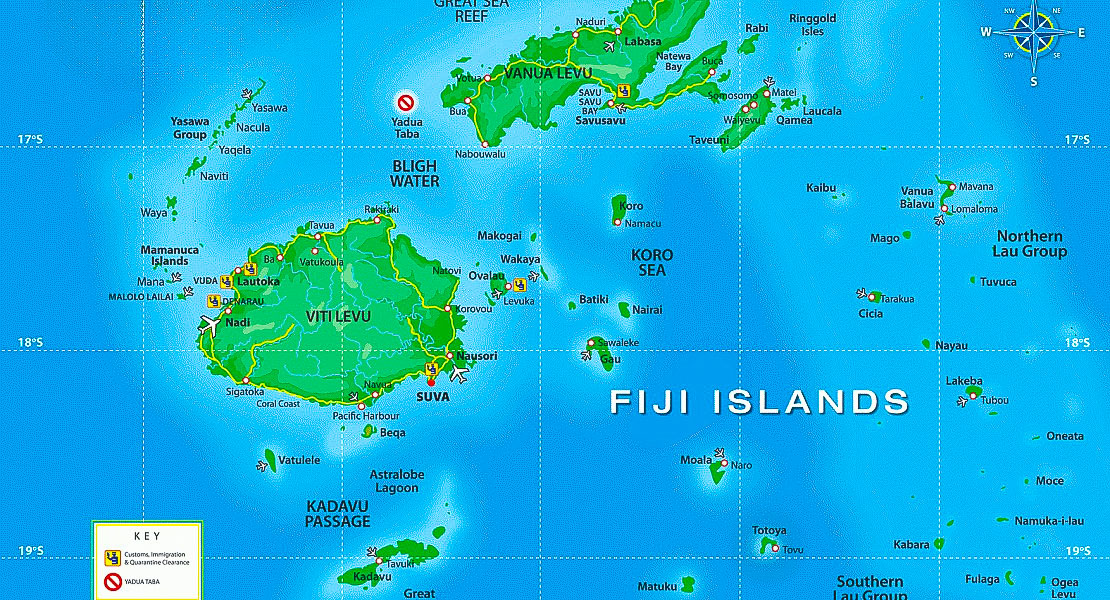
Fiji is made up of hundreds of islands, and access can vary widely between properties, beaches, boats, roads, and visitor sites. A room labeled accessible is a useful starting point, not the whole answer. The best trip planning focuses on the complete journey: airport arrival, vehicle transfers, room layout, pathways, dining areas, restroom access, activities, and the support available if plans change.
What Makes a Fiji Accessible Holiday Work?
The strongest accessible Fiji vacations are usually based around a major resort area on Viti Levu, Fiji’s main island, rather than trying to move between several remote islands. Nadi, Denarau Island, the Coral Coast, and Pacific Harbour offer different experiences, but they also make it easier to arrange private transfers, stay close to services, and select activities with realistic travel times.
For many travelers, Denarau is the simplest first choice. It is close to Nadi International Airport, home to large resorts with relatively level shared areas, and well positioned for marina departures, restaurants, and short sightseeing trips. The Coral Coast can be a better fit if a quieter beachfront stay is the priority, although journey times are longer and some properties have steeper grounds.
Accessibility is personal. A traveler using a power wheelchair may need firm pathway surfaces, doorway measurements, a roll-in shower, and a vehicle with suitable loading arrangements. Someone with limited mobility may be comfortable with a few steps but need handrails, minimal walking distances, and a seat during cultural visits. Travelers who are blind, deaf, neurodivergent, recovering from injury, or traveling with an older family member may have a different set of priorities altogether.
That is why specific questions make a meaningful difference. Ask for current photos or measurements where needed, rather than relying only on general descriptions. Confirm whether beach access involves sand, stairs, or a ramp; whether a boat boarding point has a gangway; and whether staff can provide practical assistance within safe operating limits.
A 6-Night Fiji Accessible Holiday Example
This sample itinerary is designed for a traveler or family who wants a relaxed island vacation with cultural connection, scenic water time, and manageable logistics. It works especially well for guests staying near Denarau or Nadi, with activities adjusted after direct confirmation of individual access requirements.
Day 1: Arrive with the transfer already arranged
After a long international flight, the first day should be intentionally simple. Arrange a pre-booked airport transfer matched to your mobility equipment, luggage, and group size, then travel directly to the resort. A local driver who knows the hotel entrance and accessible arrival route can remove a major layer of uncertainty.
At check-in, take time to review the room rather than rushing straight to the pool. Check the bathroom setup, bed height, clear space beside the bed, balcony threshold, and route to restaurants. If anything differs from what was confirmed, raise it early so the resort has the best chance to help.
Spend the evening with an easy dinner near your room or at an accessible resort restaurant. Fiji runs on warm hospitality, but day one is about rest, hydration, and adjusting to island time.
Day 2: Settle into the resort and enjoy the coast
Keep the second day flexible. A late breakfast, pool time, spa treatment where suitable, and a sunset view can be more enjoyable than a packed schedule. Resorts differ in their pool-entry options, shade availability, and distances between facilities, so it helps to select a base that supports the way you actually like to travel.
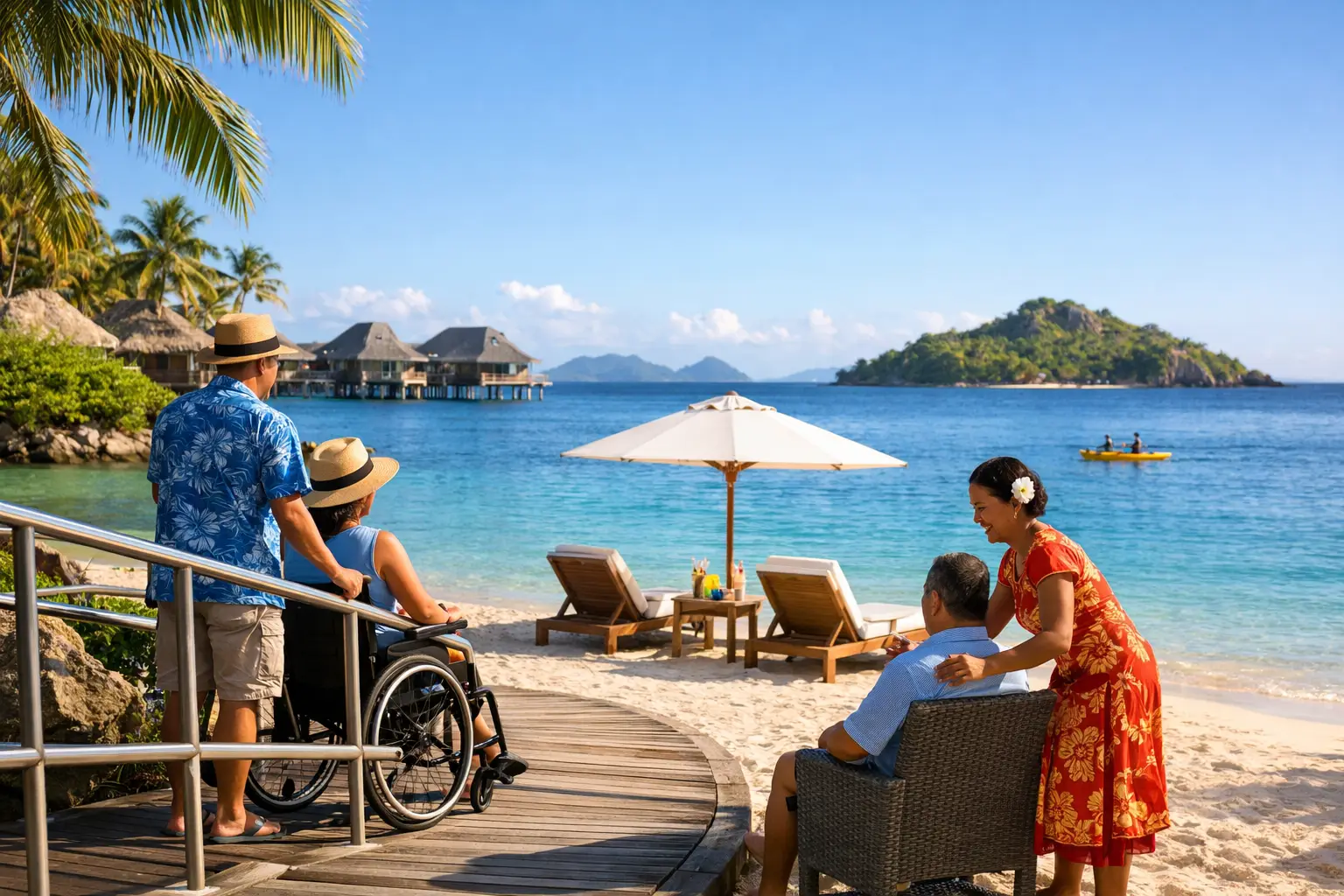
If the beach is a priority, ask whether beach wheelchairs, matting, staff assistance, or a firm path toward the shore are available. Natural beaches change with weather and tides, and soft sand may not be independently navigable. Knowing that in advance makes it easier to plan a satisfying beach day rather than arrive disappointed.
Day 3: A private Nadi and cultural outing
A private or small-group sightseeing day often gives the best accessibility flexibility. Instead of following a fixed coach timetable, you can plan shorter stops, allow time for transfers, and choose places where the terrain suits your group. A Nadi-area outing might include a scenic drive, a market visit, garden time, and a cultural experience, depending on confirmed access.
Cultural visits are memorable because they are personal, not because they are rushed. Let your guide know if you need a chair with back support, a quiet space, interpretation assistance, or extra time at each stop. Fiji’s village protocols should always be respected, and a locally informed operator can help your group participate comfortably and appropriately.
A private day may cost more than a standard shared tour, but for travelers with particular access needs, the value often comes from control over pace and practical arrangements. It can also be the better choice for multigenerational families.
Day 4: Choose the water experience carefully
Fiji’s reefs, lagoons, and island views are a huge part of the holiday. But not every cruise is equally suitable for every traveler. Boarding can involve uneven docks, steps, narrow boat entrances, or changing conditions, so this is the day to match the excursion closely to your needs.
For some guests, a scenic harbor or lagoon cruise with limited walking is ideal. Others may prefer a private charter where boarding support, seating, shade, restroom availability, and duration can be discussed beforehand. If snorkeling is part of the plan, confirm how guests enter and exit the water and whether flotation aids or adapted support are available.
There is no single “accessible boat trip” standard. Sea conditions, tides, vessel design, and staff procedures all matter. Clear pre-trip communication is what turns a lovely idea into a comfortable day out.
Day 5: Make room for a slow Fiji day
A good itinerary leaves space for the unexpected: a tropical shower, a tired traveler, a change in sea conditions, or simply the desire to stay by the pool. Use this day for a relaxed resort experience, accessible local dining, a sunset cruise if conditions and boarding arrangements suit, or a shorter nearby activity.
This flexibility is especially valuable when traveling with mobility equipment. Charging time, battery management, drying gear after rain, and arranging accessible transportation can take longer than expected. A lighter day protects the trip from feeling like a logistics exercise.
Day 6: One final experience, then pack without pressure
For a final full day, choose one experience that feels meaningful but does not create a long transfer or late return. That could be a cultural performance at the resort, a gentle scenic drive, a fishing outing with a suitable vessel, or simply a special dinner with a view.
Use the evening to reconfirm the departure transfer, including pickup time, vehicle type, mobility equipment, and airline requirements. If you use a wheelchair or other equipment, check battery rules and any airline handling instructions well before travel day.
Questions to Confirm Before You Book
A detailed conversation before booking is more useful than broad promises. Give your travel provider enough information to recommend options honestly, including the type and dimensions of mobility equipment, whether transfers are independent or assisted, and any medical or sensory considerations that affect the experience.
These four questions help uncover the details that make or break a trip:
- What is the exact route from vehicle drop-off to the room, restaurant, beach, or activity departure point?
- Are there steps, slopes, gravel, sand, narrow doors, or bathroom thresholds along that route?
- What assistance can the driver, resort team, or tour crew safely provide during transfers and boarding?
- What happens if weather, tide, or operating conditions make the planned activity unsuitable on the day?
It is also wise to confirm accessible restroom availability, shade, seating, meal requirements, and the maximum time you will spend in a vehicle or boat. Photos taken recently can be more helpful than a generic accessibility label, particularly at smaller properties and outdoor sites.
Book With Local Knowledge and Realistic Expectations
Fiji is warm, welcoming, and increasingly focused on travel made accessible for everyone, but its island environment presents real variables. Remote locations may have limited infrastructure. Paths can be affected by rain. Marine activities depend on the weather. The right plan acknowledges those realities while still prioritizing the experiences you came for.
Discover Fiji’s Accessible Fiji program can help travelers start the conversation with locally informed support, vetted experiences, and practical planning around transfers and activities. Availability and suitability should always be confirmed for your individual needs, especially when traveling with specialized equipment or booking a water-based excursion.
The most memorable Fiji holiday is rarely the one with the busiest schedule. Choose a comfortable base, confirm the details early, and leave enough room to follow the sunshine, linger over a Fijian welcome, and enjoy the islands on your terms.