Are Fiji Taxis Wheelchair Accessible? What to Know
Are Fiji Taxis Wheelchair Accessible? What to Know
A taxi waiting outside Nadi International Airport can be a welcome sight after a long flight, but it should not be your accessibility plan. Are Fiji taxis wheelchair accessible? In most cases, standard taxis are not purpose-built wheelchair-accessible vehicles. Travelers who use a wheelchair should arrange suitable transport before arrival, with the vehicle, equipment, and support needs clearly confirmed.
That does not mean Fiji is off limits. It means a little advance planning makes a meaningful difference. With the right transfer arranged, travelers can move between the airport, resorts, restaurants, and selected activities with far more comfort and confidence.
Are Fiji taxis wheelchair accessible for everyday travel?
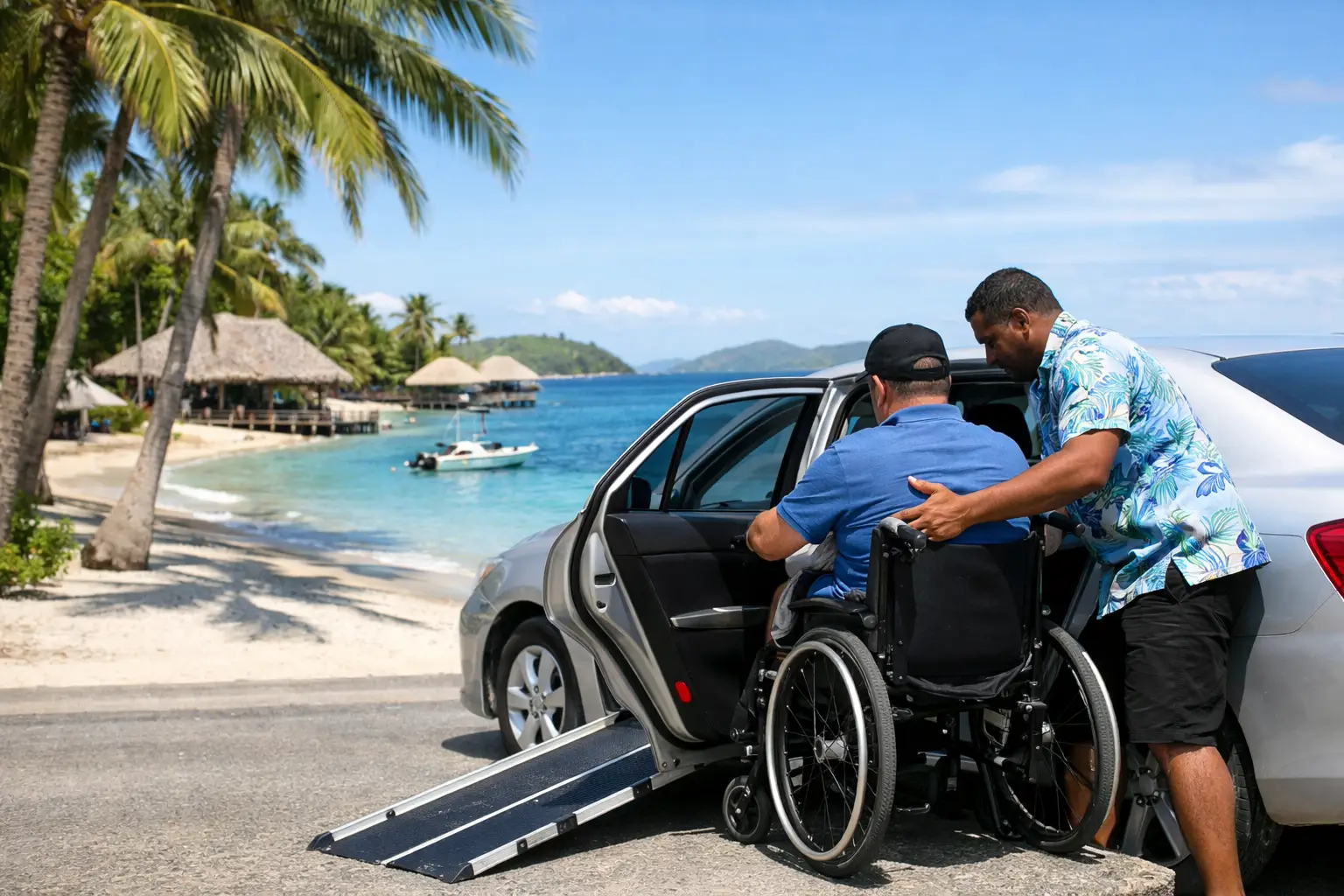
Most taxis in Fiji are standard sedans, minivans, or people movers. They may have room for a folding wheelchair in the trunk or rear cargo area, but they usually do not have a ramp, lift, wheelchair restraint system, or the interior space needed for a guest to remain seated in their wheelchair while traveling.
For some travelers, a standard taxi can work if they can transfer safely into a vehicle seat and their wheelchair folds. Even then, it depends on the vehicle assigned, the amount of luggage, and the driver’s ability to assist within safe limits. A compact sedan may be fine for a short local journey with a lightweight folding chair, but it is not a reliable choice for a power wheelchair or a traveler who needs a hoist, lift, or secure wheelchair position.
Accessible transport in Fiji is generally arranged as a private, pre-booked service rather than hailed from the street or found in a taxi line. Availability can be limited, particularly during school holidays, major events, and peak travel months. Book with confidence by treating airport and resort transfers as a key part of your itinerary, not a last-minute detail.
What to arrange before you fly
The best transfer is not simply labeled “accessible.” It is one that matches your own mobility requirements. When requesting transport, share the details that affect safety and comfort: whether your wheelchair is manual or powered, whether it folds, its approximate dimensions and weight, and whether you can transfer into a regular vehicle seat.
It also helps to explain how much assistance you require. Some guests travel independently once a ramp is available; others need a vehicle where they can remain in their chair. If you travel with a companion, mention that too, along with the number and size of suitcases. A vehicle with space for the wheelchair may not have room for four large bags as well.
Ask for confirmation of the vehicle setup in plain language. Is there a ramp or lift? Can the wheelchair stay occupied during the journey? Are appropriate tie-downs available? Is the vehicle suitable for a power chair? Does the driver know the pickup location and have the right arrival information? Clear questions prevent assumptions on both sides.
Airport arrivals need extra attention
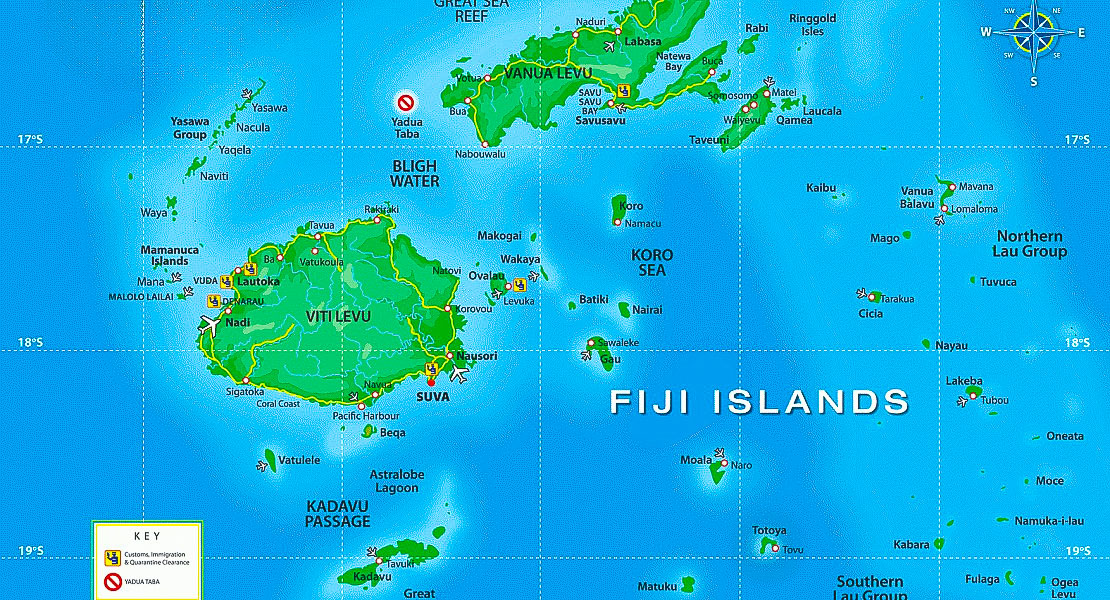
Nadi International Airport is the main arrival point for many Fiji vacations, and it is often followed by a transfer to Denarau Island, the Coral Coast, the Mamanuca Islands, or another resort area. Flight schedules can change, customs can take time, and the walk from the terminal to the pickup point may feel long after an overnight journey.
Arrange a meet-and-greet transfer with your flight number and a contact method that works while traveling. Confirm whether assistance is available from the arrival area to the vehicle, and make sure the transfer provider knows if you are bringing a mobility scooter or a non-folding wheelchair. This is especially useful when a resort is more than an hour away, because changing vehicles midway is rarely practical.
For island stays, ask one further question: how will the land transfer connect with the boat or ferry? An accessible van does not automatically mean the marine transfer, jetty, boarding process, or destination path is accessible. Fiji’s island experiences are rewarding, but each part of the journey needs to be considered.
Why location changes the answer
Fiji is made up of islands, coastlines, hills, and resort communities, so accessibility can vary considerably from place to place. In larger tourism areas such as Nadi and Denarau, there are more private transfer options and more accommodations accustomed to international guests with mobility needs. In more remote areas, vehicles may be less specialized and roads can be uneven or narrow.
Suva has more urban services than many visitor hubs, but sidewalks, curb cuts, parking areas, and building entrances can still vary. On the Coral Coast, a private transfer is often the most comfortable option because resorts and attractions are spread out along the highway. In smaller towns and villages, the challenge may be the pathway or entrance at your destination rather than the drive itself.
This is why a transfer should be planned alongside your accommodation and activities. A beautifully adapted room is less useful if the transfer cannot carry your chair, and an accessible vehicle only solves part of the equation if a restaurant has steps at the entrance. Ask about the full guest journey, from pickup point to activity check-in and return.
Choosing between a taxi, private transfer, and rental vehicle
A regular taxi remains useful for travelers who can transfer and use a folding chair, particularly for short trips once they are settled at a resort. It can be convenient, but it is not guaranteed to be suitable on demand. Where possible, have your hotel concierge or transfer provider arrange the vehicle in advance and reconfirm the wheelchair size and luggage requirements.
For airport transportation, long-distance journeys, or guests who need a ramp-equipped vehicle, a private accessible transfer is usually the stronger choice. It provides time to match the vehicle to the request, coordinate airport pickup, and avoid the uncertainty of finding a suitable taxi at the curb. It may cost more than a standard taxi, but the value is in reliable space, safer loading, and a confirmed plan.
Rental cars can suit travelers who are comfortable driving in Fiji and can transfer into a vehicle, but they require careful thought. Roads outside the main corridors can be variable, parking may be limited, and adapted hand-control vehicles are not something to assume will be available. For many visitors, pre-arranged transfers combined with a well-located resort create a more relaxed holiday.
Make activity days easier to manage
Build a little breathing room around every transfer. Fiji time is welcoming, but transport timing can be influenced by weather, roadworks, local events, and island boat schedules. Avoid scheduling a tight connection immediately after a long road journey or water crossing, especially if loading a wheelchair takes additional time.
Before booking an excursion, ask about the practical details: the boarding surface, number of steps, restroom access, seating, shade, terrain, and whether staff can safely assist. A cultural visit may have a smooth vehicle arrival but uneven paths inside the village. A day cruise may offer a wonderful experience for one wheelchair user and be unsuitable for another, depending on the boat access and transfer needs.
Discover Fiji’s Accessible Fiji program is designed around this more complete view of travel made accessible for everyone. Local knowledge matters because accessibility is not a single checkbox. It is a chain of details, from the right vehicle and welcoming driver to the terrain, facilities, and support at the experience itself.
A simple checklist for your Fiji transfer request
Before confirming transport, provide your arrival or pickup details and ask for a written confirmation that covers the vehicle type, wheelchair arrangements, passenger capacity, luggage space, and any required assistance. Keep your phone charged, carry a copy of your accommodation address, and let the provider know if your flight changes.
If you use a power wheelchair, bring the manufacturer information for its weight and battery type. If it folds, know its folded measurements. If you need to stay seated in your chair, say so directly rather than asking for a “large taxi.” Those words can mean different things to different providers; your equipment details are much clearer.
Fiji is at its best when the logistics fade into the background and the focus returns to warm water, generous hospitality, and time together. Arrange the right transfer early, ask specific questions, and give your travel team the information they need to welcome you well.