Fiji Wet Season Guide for Smart Trip Planning
Fiji Wet Season Guide for Smart Trip Planning
A warm downpour rolling across the lagoon can be part of the Fiji experience, not a reason to write off your vacation. This Fiji wet season guide helps you plan with the weather rather than against it, so you can still enjoy island time, cultural experiences, and memorable days on the water with confidence.
Fiji’s wet season generally runs from November through April, bringing warmer temperatures, higher humidity, lush landscapes, and a greater chance of rain. It is also a period with real advantages: fewer visitors at some resorts, strong availability on selected experiences, and scenery at its greenest. The key is choosing the right location, keeping your plans flexible, and booking with operators who know when conditions call for a change of course.
When Is Fiji’s Wet Season?
The wet season is not six months of nonstop rain. Most days still offer long bright stretches, with showers often arriving in the afternoon or evening. A morning can begin clear enough for a cruise, snorkeling trip, or poolside breakfast, then turn tropical for an hour before the sun returns.
January and February are usually the hottest, most humid months and often see the heaviest rainfall. November, December, March, and April can be excellent value periods, especially for travelers happy to trade guaranteed blue skies for a quieter, greener Fiji. Weather patterns differ by island and even by coast, so there is no one forecast that tells the whole story.
This is also cyclone season in the South Pacific. Severe systems are not an everyday occurrence, but they are a genuine consideration between November and April. Travelers should use flexible airfare and accommodation terms where possible, purchase suitable travel insurance, and leave room in their itinerary for changes. Reliable local operators monitor marine conditions closely and will never run a trip when it is unsafe to do so.
Fiji Wet Season Guide: Where to Stay
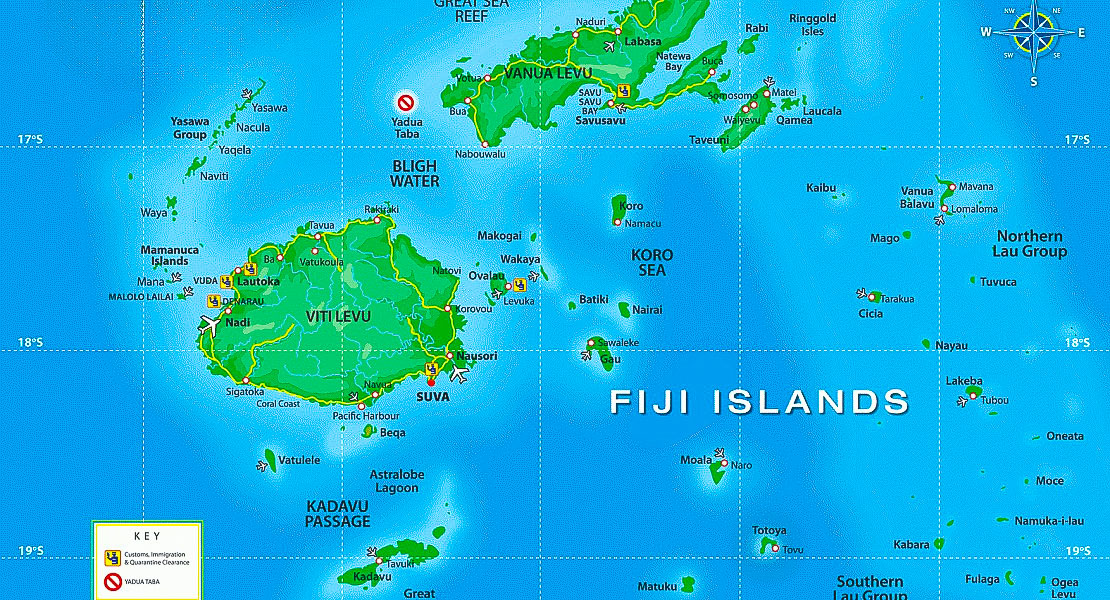
For the best chance of drier weather, look toward Fiji’s western side. Nadi, Denarau, the Mamanuca Islands, and much of the Yasawa Islands are generally drier than Suva and the southeastern side of Viti Levu. That does not mean rain is impossible in the west, but it can make a meaningful difference when you are choosing a base for a beach-focused vacation.
Denarau works particularly well for travelers who want resort comfort, easy airport access, and a wide choice of day cruises. Families appreciate the short transfer times and predictable logistics, while couples can use it as a convenient launch point for island escapes and sunset sailing. Nadi offers more local character, dining options, and access to inland adventures.
If you are drawn to Suva, the Coral Coast, or Fiji’s rainforest-rich interior, embrace the wetter conditions rather than treating them as a compromise. Waterfalls are fuller, gardens are vivid, and the landscape feels wonderfully alive. These areas can be ideal for cultural village visits, scenic drives, spa days, and private tours built around the day’s conditions.
What to Do When the Forecast Shows Rain
A wet-season itinerary should balance weather-dependent activities with experiences that still shine under cloud cover. Snorkeling and island cruises are often best scheduled early in your stay, giving you options to move the booking if sea conditions change. Morning departures also tend to make the most of calmer weather before afternoon showers develop.
Do not assume a cloudy day means poor snorkeling. Visibility depends on recent rain, wind, tides, and the particular reef, not simply whether there are clouds overhead. Your skipper or guide can advise whether conditions are suitable, recommend a more sheltered site, or reschedule when needed. Book with confidence when the operator has local knowledge and clear communication behind the scenes.
Rain can make Fiji’s land experiences even more rewarding. A 4WD safari through the highlands, a waterfall excursion, or a cultural village tour offers a different side of the islands from the classic postcard view. Bring a light rain jacket and shoes with grip, particularly for trails that can become muddy after a shower.
A few well-chosen backup plans can save a day. Consider a cooking experience, a spa treatment, a visit to local markets, or time at your resort when the rain settles in. For families, a shorter cultural tour or a flexible half-day outing can be easier than committing to a full day at sea during an unsettled forecast.
Booking Tours During the Wet Season
The best wet-season bookings are not necessarily the cheapest or longest. They are the ones with sensible departure times, clear weather policies, and knowledgeable local teams. Before booking a cruise, fishing trip, dive, or transfer, check what happens if rough seas, heavy rain, or high winds affect the trip. A reputable provider will explain whether an alternative date, modified itinerary, credit, or refund applies.
Build breathing room into your schedule. Avoid placing your only must-do island cruise on the final day of your vacation, especially if you are visiting during January or February. Plan one or two priority water activities near the beginning of your stay, then keep another day open for a possible rebooking.
Transfers deserve the same attention. Rain can slow road travel, and sea transfers may be adjusted around conditions. If you are connecting to an international flight, allow extra time rather than relying on a tight same-day island connection. This is one area where trusted local support makes a real difference: a team familiar with Fiji’s transport network can help you make practical choices before a weather disruption becomes stressful.
Discover Fiji works with locally vetted operators and confirms availability in real time, helping travelers compare experiences with the practical details that matter. Whether you are arranging a Denarau departure, a resort transfer, or an inland adventure, local expertise helps turn a changing forecast into a manageable part of the trip.
What to Pack for Fiji’s Rainy Months
Pack for heat first and rain second. Lightweight, quick-dry clothing is more useful than heavy layers, and a compact rain jacket will serve you better than an umbrella on a windy boat dock. Reef-safe sun protection remains essential because UV levels can be high even under cloud cover.
Bring sandals or water shoes for boats and beaches, plus closed-toe shoes with traction for hiking, village visits, or waterfall trails. A dry bag or waterproof phone pouch is useful on cruises and transfers. Mosquito repellent is also worth packing, especially if you are visiting lush inland areas or spending time outdoors around dusk.
For travelers with mobility needs, wet paths and jetties can be more challenging after rain. Ask ahead about vehicle access, walking distances, steps, restroom facilities, and transfer arrangements. Fiji travel made accessible for everyone starts with the right details before departure, not assumptions once you arrive.
Is the Wet Season Right for Your Fiji Vacation?
It depends on what you want most. If your dream trip is a week of uninterrupted sunshine, glassy seas, and maximum certainty for diving or sailing, Fiji’s dry season from May through October is usually the safer choice. It is also the busiest period, so popular resorts and tours can book out earlier.
If you value a lush setting, warmer water, possible shoulder-season value, and a more relaxed pace, the wet season can be a fantastic fit. Couples may find more space for private escapes, while families can benefit from flexible resort time mixed with shorter excursions. Travelers who enjoy nature, culture, and a little spontaneity often see Fiji at its most vibrant during these months.
The practical answer is to plan for both sun and showers. Choose a base that suits your priorities, put high-priority boat trips early in the itinerary, and leave room for a rainforest drive, village visit, or slow resort afternoon if the clouds arrive. With sensible timing and trusted local guidance, a passing shower can become the cue to pause, enjoy the warm air, and let Fiji set the pace.