Fiji Island Hopping Made Easy for First-Time Visitors
Fiji Island Hopping Made Easy for First-Time Visitors
A Fiji holiday can look deceptively simple on a map: a cluster of tropical islands surrounded by clear blue water. In practice, Fiji island hopping works best when you choose a few islands that match your pace, budget, and interests rather than trying to see everything. The reward for getting it right is extraordinary – quiet sandbars, coral reefs close to shore, warm village welcomes, and days that feel genuinely unhurried.
Fiji has more than 300 islands, but most visitors do not need an elaborate multi-stop itinerary to experience the best of them. A thoughtfully chosen day cruise, a stay in one island group, or a combination of two nearby regions can deliver the variety travelers want without turning vacation time into a transport schedule.
Start With the Island Group That Fits Your Trip
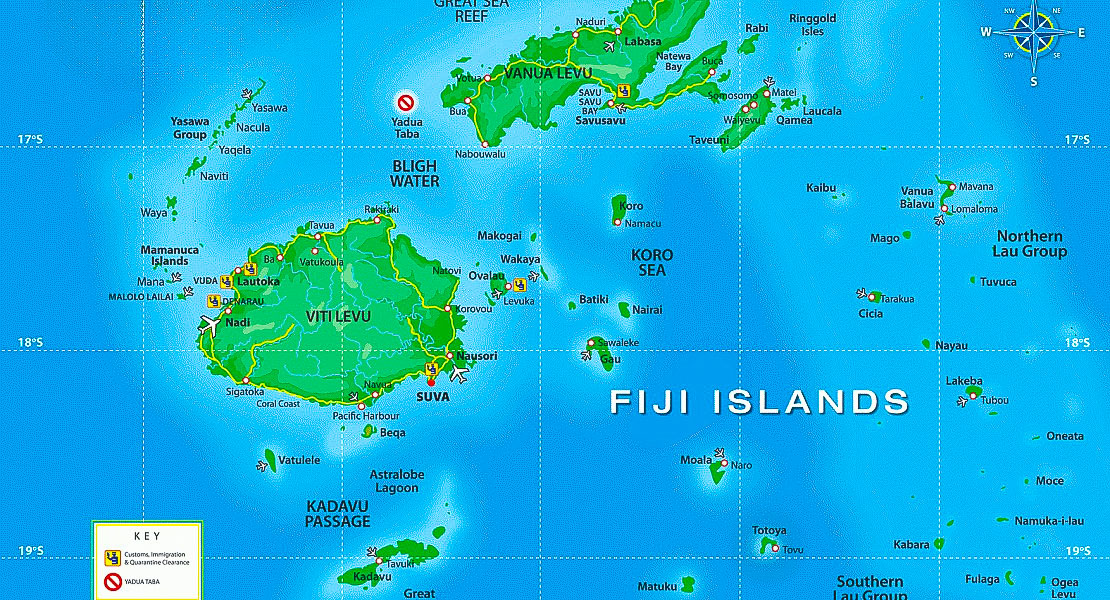
Most international visitors arrive at Nadi International Airport on Viti Levu, Fiji’s largest island. This makes the west coast a convenient starting point for day cruises and transfers into the Mamanuca and Yasawa Islands. These are Fiji’s best-known island-hopping regions, but they offer different experiences.
The Mamanuca Islands are close to Nadi and Denarau, making them ideal for travelers with limited time, families, and anyone who wants a scenic island escape without a long boat journey. Expect white-sand beaches, calm lagoons, snorkeling, sailing, and a broad choice of resorts. Many islands can be visited on a full-day cruise, so you can enjoy the outer islands while keeping one hotel base on the mainland.
The Yasawa Islands stretch farther north and feel more remote. They suit travelers who have several nights to spare and prefer dramatic volcanic scenery, relaxed beach stays, reef time, and a slower rhythm. Boat journeys are longer, but that distance is part of the appeal. If your dream Fiji image includes a nearly empty beach and an evening with very little on the agenda, the Yasawas may be worth the extra travel time.
Other areas deserve consideration, especially for repeat visitors. The Coral Coast offers a convenient south-coast base on Viti Levu with cultural tours, river adventures, and reef experiences. Savusavu and Taveuni, reached by domestic flight, are better choices for dedicated divers, nature lovers, and travelers who want to venture beyond the classic western-island route. These destinations are memorable, but they generally require more time and a larger transportation budget.
Choose Day Cruises or Overnight Island Stays
The right approach to Fiji island hopping depends largely on how many vacation days you have. Neither option is automatically better.
A day cruise is often the most practical choice for a short stay. From the Nadi and Denarau area, you can board a boat in the morning, snorkel or swim at an island, enjoy lunch by the water, and return to your resort by late afternoon. It is a low-stress option for families, couples, and travelers who want to mix island time with activities on Viti Levu, such as a cultural village visit, waterfall excursion, spa day, or sunset cruise.
Overnight island stays offer more quiet time and a stronger sense of place. Once the day visitors leave, an island can feel entirely different. You can snorkel early, watch the sunset without checking a transfer time, and join activities that are not possible on a quick visit. The trade-off is that moving luggage, matching ferry schedules, and changing accommodations can consume valuable holiday time.
For many first-time visitors, a balanced plan works well: spend several nights on the mainland near Denarau, Wailoaloa, or the Coral Coast, add a day cruise, then stay two or three nights on one island. This gives you a taste of Fiji’s variety without packing and unpacking every morning.
Build a Route Around Transfer Time
The biggest planning mistake is assuming islands that look close together are easy to combine. Boat routes do not always run directly between resorts, and weather, tides, and departure schedules can affect travel times. A transfer can also involve returning to the mainland before heading back out to another island.
Keep your route simple. If you are staying in the Mamanucas, visit another Mamanuca island or enjoy a day cruise from your resort. If you are heading into the Yasawas, plan to stay within that chain rather than combining it with a far-flung island destination in the same week. Travelers with 5 to 7 nights should generally choose one main island region. With 8 to 10 nights, two regions can work well if the transfer day is treated as part of the experience rather than lost time.
It also helps to arrive near your departure point the night before an early boat. International flights, airport transfers, and boat check-in times can make a same-day connection feel rushed. A night near Nadi or Denarau creates a more relaxed start and gives you a buffer if your flight schedule changes.
Pick Experiences That Add Variety
Fiji is more than a collection of beautiful beaches. The most satisfying itineraries combine time on the water with experiences that introduce you to the people, landscapes, and traditions of the islands.
Snorkeling is an easy place to start. Many island day trips include equipment and reef access, and conditions can be suitable for beginners as well as confident swimmers. Visibility and marine life vary by location and season, so choose an excursion based on what matters most to you: calm water, coral gardens, a guided marine experience, or time at a private island beach.
A cultural village tour adds perspective to a beach-focused trip. Fiji’s hospitality is rooted in community, and a respectful visit can include a kava ceremony, traditional performances, local food, and conversation with hosts. Look for experiences led in partnership with local communities rather than quick photo stops.
Families may prefer a day that combines a manageable boat ride, shallow swimming areas, and flexible downtime. Couples often enjoy sailing, a beach picnic, or a sunset cruise. Adventure seekers can look for kayaking, diving, fishing, jet boat rides, or a 4WD safari on the mainland. The key is not to schedule every day. Fiji rewards travelers who leave room for an extra swim, a long lunch, or a change in weather.
Know the Best Time to Go
Fiji is warm year-round, but the season can influence sea conditions, rainfall, pricing, and availability. The drier months, generally May through October, are popular for sunshine, lower humidity, and comfortable sightseeing. This is also a busy period, particularly during school vacations, so popular resorts and cruises can book ahead.
November through April brings warmer water, lush landscapes, and a greater chance of rain and tropical weather. Showers are often brief, but conditions can be less predictable. This period can still be excellent for travelers who value fewer crowds and do not mind planning with flexibility.
Whatever month you choose, build in one open day. If the weather shifts or you find an island you wish you had more time to enjoy, that unscheduled day becomes one of the most useful parts of the trip.
Book With Confidence Before You Arrive
Island logistics are easier when key transfers and experiences are arranged in advance, especially during peak travel periods. Confirm where your cruise departs, whether hotel pickup is included, what food and equipment are provided, and whether the activity suits your group’s ages and swimming confidence. If accessibility is a consideration, ask specific questions about vessel boarding, mobility support, pathways, and restroom facilities rather than assuming every island experience has the same setup.
A locally vetted booking service can make the difference between a smooth day and a confusing one. Discover Fiji works with established local operators and can help travelers coordinate day tours, transfers, and activity packages with real-time availability and support before and during travel. That local knowledge matters when a resort is remote, a transfer has a specific meeting point, or you need a practical alternative for mixed ages and abilities.
Pack reef-safe sun protection, a light cover-up, a reusable water bottle, dry bags for electronics, and cash for small personal purchases where appropriate. Bring a sense of flexibility, too. Boat travel follows the sea, not just the timetable.
Leave your final island day a little open if you can. It gives you space for one more snorkel, a last slow breakfast by the lagoon, or the simple pleasure of realizing that the best part of Fiji island hopping was not how many islands you checked off, but how fully you experienced the ones you chose.