Finding Wheelchair Friendly Fiji Transport
Finding Wheelchair Friendly Fiji Transport
A Fiji vacation can begin with a warm airport welcome, ocean views, and a transfer that lets you settle in rather than worry about the next step. But finding wheelchair friendly Fiji transport takes more than selecting a vehicle labeled “accessible.” On an island destination, the details matter: vehicle entry, chair dimensions, transfer assistance, road conditions, jetty access, tides, and how the transport connects with your resort or day tour.
With the right planning and clear information shared before you arrive, Fiji can be a rewarding and well-supported destination for travelers who use wheelchairs, travel with mobility equipment, or need a little more assistance getting around.
Start With the Route, Not Just the Vehicle
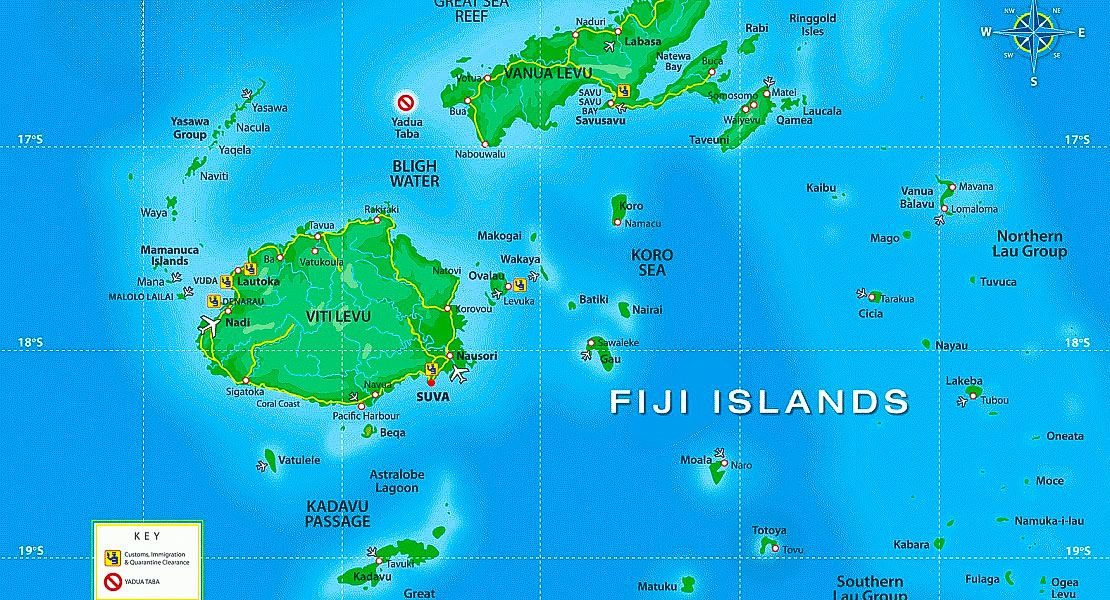
The best accessible transport plan follows your actual itinerary. A transfer from Nadi International Airport to a Denarau resort has different requirements from a drive along the Coral Coast, a trip into the highlands, or a boat journey to an island resort.
Begin by mapping every meaningful movement in your trip: airport to resort, resort to activities, inter-island connections, and return transfer. This helps avoid a common problem where one accessible transfer is arranged well, but the next leg – perhaps a marina pickup or an excursion departure – has not been checked with the same care.
In Fiji, paved roads link many popular visitor areas on Viti Levu, including Nadi, Denarau, Coral Coast, and Suva. However, some attractions, villages, waterfalls, and inland lookouts are reached by unsealed or uneven roads. A vehicle may be wheelchair accessible for boarding while the destination itself has a rough access route. Neither situation automatically rules out the experience, but it does mean you should ask about both.
What “Wheelchair Friendly” Should Mean in Fiji
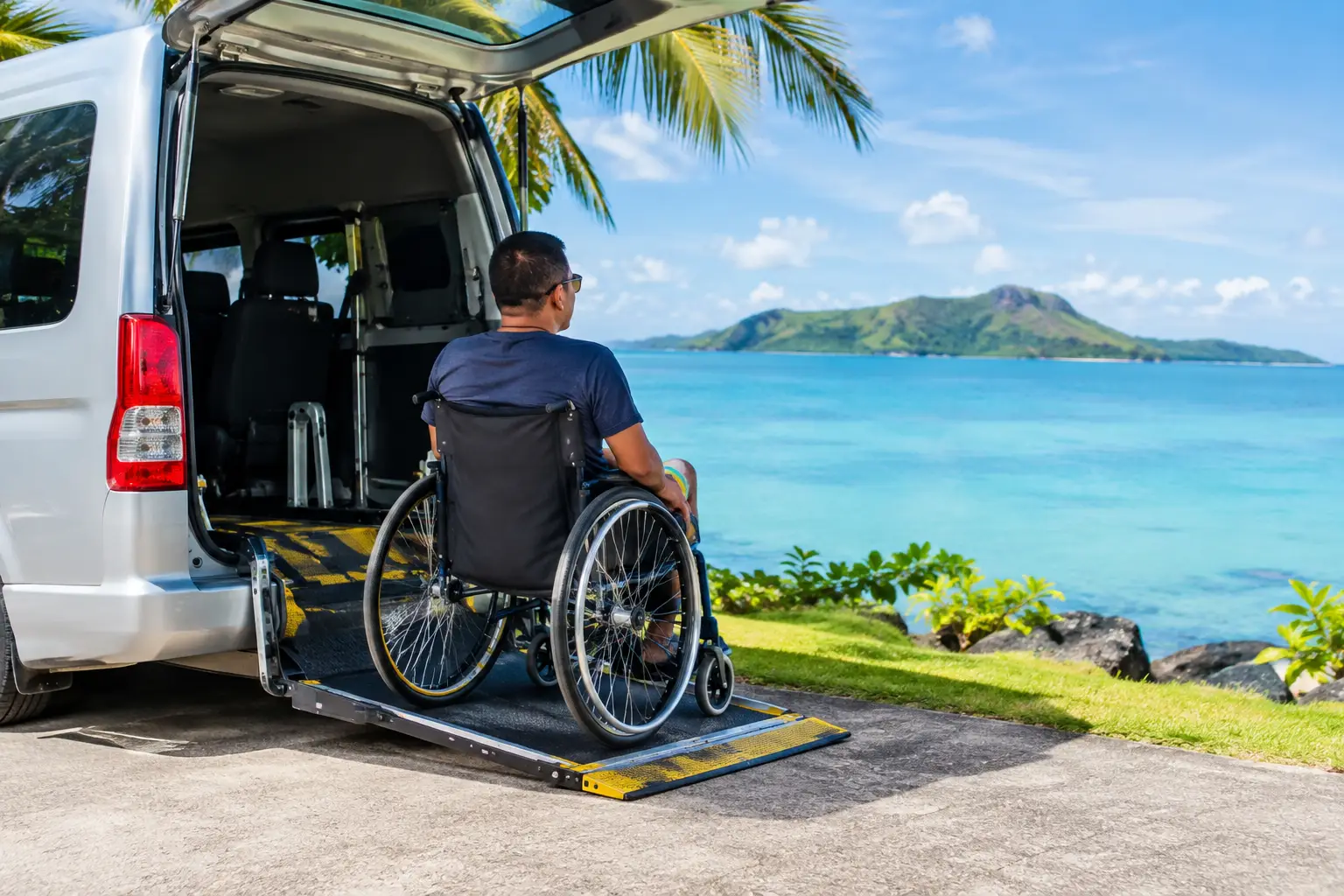
Wheelchair friendly transport can range from a spacious private vehicle with room for a folding chair to a modified van with a ramp or lift and secure wheelchair positions. These are not interchangeable, particularly for a traveler who remains in their chair during transport.
Before confirming a transfer, provide the exact information the local operator needs: whether the wheelchair is manual or powered, its width, length, total weight, whether it folds, and whether you can transfer into a standard vehicle seat. If you travel with a mobility scooter, removable batteries, oxygen, or other essential equipment, say so early. This is how a local team can match the right vehicle rather than make assumptions.
It is equally useful to ask how boarding works. Is there a ramp, a lift, or a step with physical assistance? Is the vehicle fitted with proper tie-down points and occupant restraint, or will the wheelchair be folded and stored while you sit in a passenger seat? Ask whether the driver or attendant is trained to assist, and whether a traveling companion must help with transfers.
A reliable provider will be comfortable answering these questions plainly. If a response is vague, ask for confirmation of the vehicle setup before you book.
Questions Worth Asking Before You Confirm
A short conversation can prevent a long day of uncertainty. Ask whether the vehicle can accommodate your specific chair, how many steps are involved at pickup and drop-off, and whether there is sufficient space to secure equipment safely. Confirm the luggage capacity too, especially if you are traveling with a chair, medical supplies, and family bags.
For longer drives, ask about planned comfort stops and the accessibility of restroom facilities along the route. Fiji is known for relaxed island hospitality, but remote stops can be simple. Knowing this in advance lets you choose a suitable route or prepare accordingly.
Also ask for your driver’s contact details or a local support number before travel day. Flight schedules can change, and a direct point of contact is valuable when you need to coordinate your arrival in real time.
Airport Transfers: Make the First Leg the Easiest One
Pre-booking airport transport is especially worthwhile for travelers with accessibility needs. Nadi International Airport is the main arrival point for many international visitors, and arranging the right transfer before departure removes the pressure of trying to locate a suitable vehicle after a long flight.
Share your flight number, arrival time, number of travelers, equipment details, and resort name. Let the provider know if you may need time to clear the airport, collect equipment, or meet airline assistance staff. A good transfer plan allows for these practical realities instead of treating every arrival like a standard curbside pickup.
Private transport is often the most comfortable option because it gives you more control over timing, stops, and space. Shared shuttles can be a good value for some guests, but they may involve extra boarding, multiple resort drop-offs, or limited room for larger equipment. The right choice depends on your chair, energy levels after flying, group size, and budget.
Island Boats, Ferries, and Marina Access
Fiji’s islands are part of the magic, and they can also be the part of the trip that needs the most detailed access planning. Boat accessibility varies widely by vessel, marina, weather, tide, and the transfer method used at the destination.
Do not assume that a ferry or day cruise is accessible simply because it departs from a major marina. Ask about the route from vehicle to vessel, the width and gradient of gangways, the number of steps, accessible restroom availability, and whether crew can safely assist with boarding. If you remain in your wheelchair, confirm whether the vessel has an appropriate secure position on board.
Some island resorts use jetties; others use small boats, beach landings, or transfers that may involve stepping into shallow water. This can change with tide and sea conditions. For travelers who can transfer with assistance, an island stay may still be possible with the right arrangements. For travelers who must remain in their chair, resort access needs to be confirmed very specifically before booking.
Day trips deserve the same attention. A cruise with wide deck space may be a better fit than an itinerary built around frequent tender transfers, snorkeling entries from ladders, or beach landings. The most memorable Fiji experience is not necessarily the busiest itinerary. It is the one designed around what you can enjoy comfortably.
Matching Transport to Accessible Things to Do
Transport and activities should be planned together. A wheelchair-friendly vehicle is only one link in the chain. Consider the terrain at cultural visits, paths at gardens, boarding points for river or ocean excursions, and restroom access at lunch stops.
This is where local knowledge makes a real difference. An accessible outing may need a private departure time, a vehicle with extra space, a shorter walking route, or a venue chosen for smoother surfaces. It may also be better to choose one well-paced experience rather than stack several transfers into a single day.
Fiji’s accessible travel options continue to grow, but availability can be limited, particularly during school holidays and peak international travel periods. Booking early gives operators time to reserve suitable vehicles, coordinate assistance, and advise honestly if a particular experience is not the right fit.
Discover Fiji’s Accessible Fiji program is designed to help travelers identify inclusive experiences with local guidance, so planning can begin with practical answers rather than guesswork.
Build a Backup Plan Without Losing the Holiday Feeling
Island travel occasionally changes course. Heavy rain can affect road conditions, high winds can alter boat schedules, and an unexpectedly busy arrival period can slow down airport processes. A thoughtful plan includes flexibility without making the trip feel over-managed.
Keep essential medication, charging equipment, and a small repair kit with you rather than in checked luggage or a vehicle storage area. If you use a powered wheelchair, bring the charger suitable for Fiji’s electrical outlets and discuss charging access with your accommodation. Carry your chair measurements and key handling instructions in writing, ideally with a photo, so they are easy to share with drivers and staff.
If a planned boat trip is weather-dependent, consider a land-based alternative for the same day. A scenic drive, cultural visit, relaxed resort experience, or accessible dining outing can still make for a beautiful Fiji day. The goal is not to expect everything to go wrong. It is to know that a change of plan does not have to spoil the experience.
A Better Way to Plan Wheelchair Friendly Fiji Transport
Start planning as soon as you have your flights and accommodation. Send complete mobility information, ask direct questions, and request confirmation that covers the whole journey – not only the airport pickup. Be candid about what assistance you need and what you can do independently. That clarity helps local providers deliver the warm, capable service Fiji is known for.
A well-arranged transfer does more than get you from one place to another. It gives you the freedom to look out at the palms, take in the coastline, and arrive ready for the part of Fiji you came to experience.