Fiji Accessibility for an Inclusive Vacation
Fiji Accessibility for an Inclusive Vacation
A Fiji vacation can mean coral reefs, warm welcomes, and slow afternoons by the water – but Fiji accessibility begins well before you arrive. The islands are beautiful and varied, with modern resort areas, rural villages, marinas, boats, and uneven natural terrain all part of the experience. Planning around your individual access needs helps turn that variety into a holiday that feels comfortable, enjoyable, and truly your own.
For travelers who use a wheelchair or mobility aid, have limited mobility, travel with sensory or cognitive needs, or need support related to hearing, vision, or medical equipment, the best approach is specific rather than assumed. Ask clear questions, confirm arrangements in writing, and allow a little extra time between activities. Local knowledge makes a real difference here.
Fiji Accessibility Starts With the Right Base
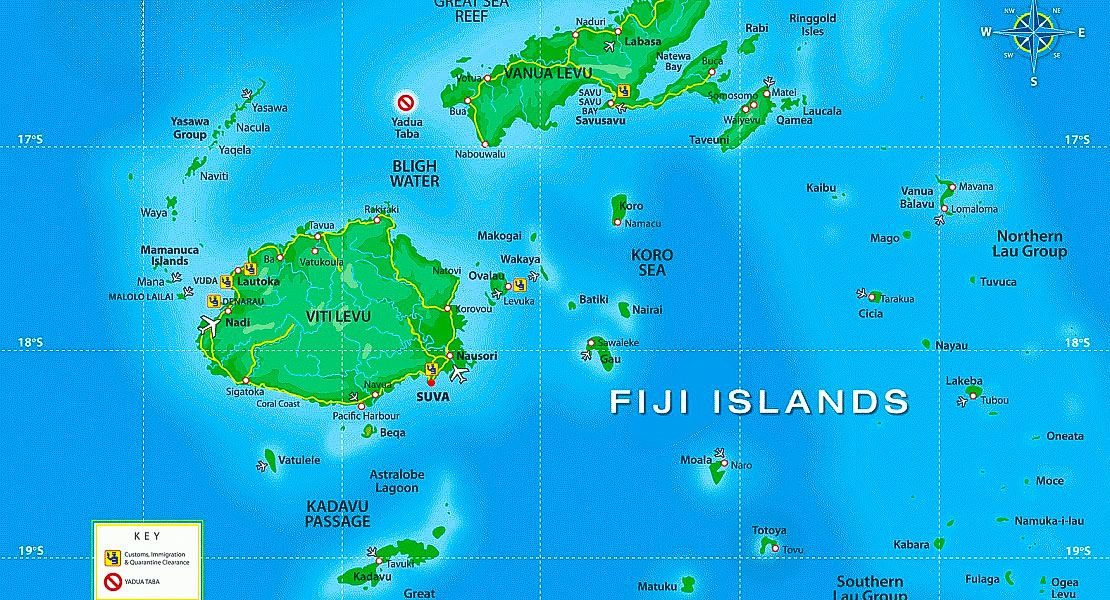
Choosing where to stay is one of the most important decisions for an inclusive Fiji vacation. Viti Levu, Fiji’s largest island, generally offers the widest choice of resorts, restaurants, medical services, and road-based sightseeing. The areas around Nadi, Denarau Island, Coral Coast, and Pacific Harbour can be practical starting points, depending on the kind of trip you want.
Denarau Island is often a convenient choice for travelers who want established resorts, relatively level pathways in many areas, nearby dining, and easy access to the airport and marina. It can also reduce the number of long road transfers during your stay. The Coral Coast offers a quieter, more scenic pace, though travel times and property layouts vary more widely.
Do not rely on the phrase “accessible room” alone. Ask the resort what that means in practice. A room may have a roll-in shower but a lip at the entrance, or an adapted bathroom but a route that includes steep paths. Request details about door widths, bed height, bathroom rails, shower seating, turning space, elevator access, pool access, and the distance between your room, dining venues, and the beach.
If you travel with a companion or support person, confirm bedding and room configurations early. Properties can often help, but accessible inventory is limited and should be booked as far ahead as possible.
Getting Around Fiji With Confidence
Fiji’s transport options range from private vehicles and resort shuttles to boats, small aircraft, taxis, and public buses. The most suitable choice depends on your mobility, luggage, equipment, and comfort with transfers.
Private airport transfers are usually the easiest option for travelers who need space for a foldable wheelchair, mobility scooter, medical equipment, or additional assistance. When booking, share the dimensions and weight of your device, whether it folds, and whether you can transfer independently into a vehicle seat. This allows the transport provider to arrange the right vehicle rather than making assumptions at the curb.
Road conditions also matter. Main routes near Nadi, Denarau, and along much of the Coral Coast are suitable for road touring, but travel can take longer than maps suggest. Build in rest stops, especially after an international flight. A private transfer or tailored day tour gives you more flexibility to pause, adjust the pace, and spend longer at places that interest you.
Inter-island travel requires closer planning. Some island resorts are reached by catamaran, launch boat, seaplane, or helicopter. Boat boarding may involve steps, floating pontoons, variable tides, or wet landings depending on the destination and weather. Small aircraft have their own limits around mobility aids, baggage, and transfers. None of this means island travel is out of reach, but it does mean the details should be discussed before you commit to an itinerary.
Questions to Ask Before Booking a Transfer
Ask whether the vehicle has a ramp or lift if required, whether staff can assist with luggage and boarding, and whether your mobility aid can travel with you. For marine transfers, ask about the boarding point, number of steps, handrails, seating, accessible restrooms, storage for equipment, and the plan if sea conditions change. Clear answers are more useful than broad promises.
Choosing Accessible Things to Do in Fiji
The right activity is not always labeled as an accessible tour. A relaxed sunset cruise, cultural visit, scenic drive, spa experience, or private charter may be a better fit than an activity marketed with a single accessibility category. What matters is how the operator can adapt the experience to you.
Cultural experiences can be especially rewarding when planned thoughtfully. Village visits may include grass, gravel, stairs, narrow paths, or uneven ground, but local hosts can often advise on the most manageable route and arrange seating. Let the operator know if you need to avoid long standing periods, stairs, crowded spaces, or loud ceremonial moments. Respectful advance communication gives hosts time to prepare a warm welcome.
Water-based experiences need an honest conversation about access and confidence in the water. Some travelers may be comfortable transferring into a boat with crew support; others may prefer a vessel with easier boarding, shaded seating, a stable deck, and nearby restroom facilities. If snorkeling is on your wish list, ask about flotation aids, entry methods, staff support, water conditions, and whether a companion can remain on board if needed.
Nature tours can range from easy coastal viewpoints to demanding waterfall walks. “Short walk” can still mean roots, mud, rocks, steep slopes, or steps. Ask about the actual surface, gradient, distance, toilet access, shade, and places to sit. A 4WD sightseeing experience may be a good way to see Fiji’s inland landscapes without a long trek, although vehicle entry and ride comfort should be confirmed first.
For many travelers, a private or small-group option is worth considering. It may cost more than a large shared tour, but it can provide a flexible schedule, a more suitable vehicle, and time to move at your own pace. The best value is not always the lowest price. It is the experience you can comfortably enjoy from start to finish.
Plan for Sensory, Hearing, and Vision Needs
Accessibility is broader than physical mobility. Resorts and operators can often make simple adjustments when they understand what will help. Travelers with sensory sensitivities may prefer quieter departure times, smaller groups, a room away from entertainment areas, or advance notice of loud music and cultural performances.
For hearing needs, ask whether written itineraries, visual instructions, captioned materials, or a guide who can face you while speaking can be arranged. For vision needs, describe the type of support that is useful, such as verbal orientation on arrival, assistance along unfamiliar paths, or clear information about steps and changes in surface.
It is also wise to carry key information in writing, including allergies, medication needs, emergency contacts, and any essential assistance instructions. Fiji’s warmth and hospitality are real, but practical preparation helps everyone provide better support.
Medical Needs and Practical Preparation
Bring enough prescription medication for the trip, plus extra in case of delays, and keep it in your carry-on luggage. If you use powered equipment, check voltage requirements, plug adapters, battery rules for flights, and charging availability at your accommodation. For mobility devices, carry basic repair supplies and a photo of the model, serial number, and setup instructions.
Travel insurance should reflect your personal needs and planned activities. Review coverage for pre-existing conditions, medical care, emergency transport, mobility equipment, and cancellation. Fiji has quality medical services in its main centers, while options can be more limited on remote islands. If proximity to healthcare is a priority, choose your itinerary accordingly.
Fiji’s tropical climate is another consideration. Heat, humidity, and afternoon rain can affect energy levels and path conditions. Schedule active plans in the cooler morning, keep water close by, and leave room for a rest period. An itinerary with one main activity a day often feels far more relaxing than trying to fit in everything.
Book With Local Details, Not Guesswork
Accessible travel works best when each part of the trip is considered together: the room, the transfer, the route to the marina, the boat boarding process, and the activity itself. A great excursion can become frustrating if the transport or arrival point does not match your needs.
Discover Fiji’s Accessible Fiji program is designed to help travelers plan with that full picture in mind. Local specialists can help clarify practical details with participating providers, recommend options that suit your travel style, and support you before, during, and after your trip. Availability and access arrangements should still be confirmed for your specific dates and requirements, but informed planning removes much of the uncertainty.
Start the conversation early, be precise about what helps you travel comfortably, and leave room for Fiji’s easygoing rhythm. With the right arrangements in place, the islands can meet you with more than a beautiful view – they can offer the freedom to be fully present in the experience.