Car Rental in Fiji: What to Know First
Car Rental in Fiji: What to Know First
You notice it fast in Fiji – the pace changes the moment you leave the airport. Some travelers are perfectly happy to let transfers, tours, and resort shuttles handle the logistics. Others want the freedom to stop at a roadside fruit stand, take the scenic route along the Coral Coast, or reach a hidden beach without waiting on anyone else. That is where car rental in Fiji can be a smart choice, as long as you know what driving here actually feels like.
Renting a car in Fiji is less about ticking a transportation box and more about matching your travel style to the islands. For some vacations, it is the easiest way to see more in less time. For others, it adds cost and hassle you simply do not need. The right call depends on where you are staying, how confident you are driving overseas, and whether your plans are based on flexibility or fully organized day trips.
When car rental in Fiji makes the most sense
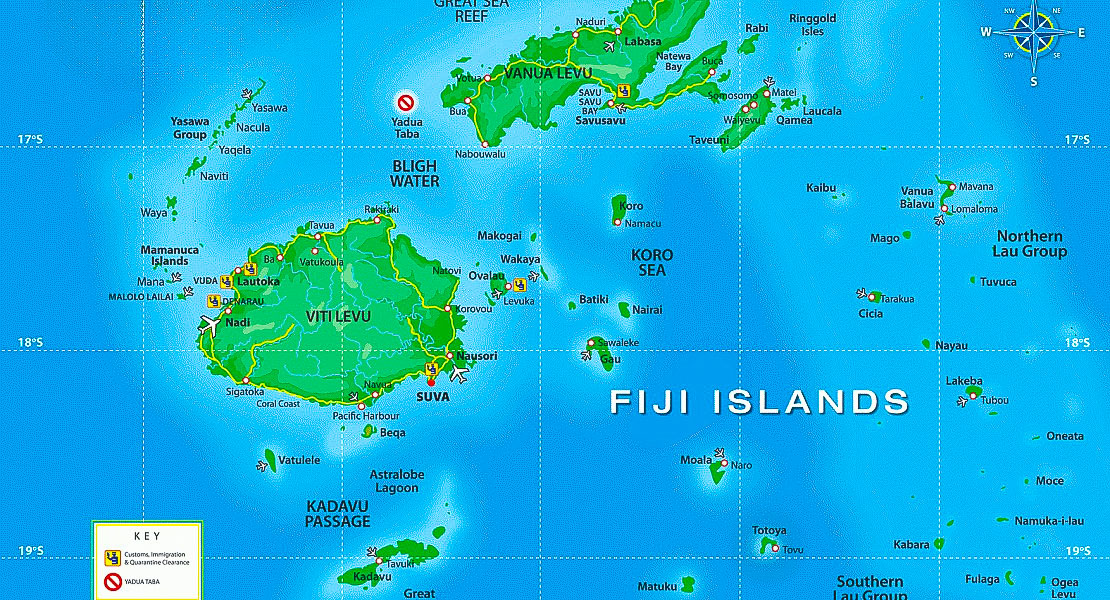
A rental car is usually most useful on Viti Levu, Fiji’s largest island, where you will find Nadi, Denarau, the Coral Coast, Pacific Harbour, and Suva. If your trip includes several stops across the main island, driving yourself can save time and give you more control over your day.
This is especially true for travelers staying in private villas, vacation rentals, or smaller properties that are not running frequent shuttle services. Families often like having a car because it makes groceries, casual meals, and beach hopping much easier. Couples doing a self-paced honeymoon or road-based itinerary may also prefer the extra freedom.
On the other hand, if you are staying in a Denarau resort and most of your plans involve day cruises, island tours, or pre-arranged transfers, a rental car may spend more time parked than used. The same goes for travelers heading straight to outer islands, where boats, flights, and resort transfers matter far more than road transport.
What driving in Fiji is really like
The first practical thing to know is that Fiji drives on the left side of the road. For US visitors, that takes a little adjustment, especially at roundabouts and when turning into traffic. The good news is that many routes on Viti Levu are straightforward, and major tourism corridors are generally easy to follow.
Road quality varies. Around Nadi, Denarau, and the main coastal highways, roads are typically manageable, though not always smooth. Once you move into more rural areas, expect narrower roads, uneven surfaces, limited shoulders, and the occasional surprise in the form of livestock, pedestrians, or buses stopping frequently. Night driving can be more challenging because road lighting is inconsistent outside busier areas.
That does not mean self-driving is difficult for everyone. It means expectations matter. If you are comfortable driving in unfamiliar destinations and staying alert, Fiji can be very manageable. If you prefer clearly marked roads, highly predictable traffic flow, and extensive highway infrastructure, you may find local transfers less stressful.
Speed, traffic, and local road habits
Traffic congestion is usually not the main issue outside city areas, but driving can still feel slower than the map suggests. Distances that look short may take longer due to village zones, winding roads, weather conditions, or reduced speed limits. It is wise to keep your schedule loose rather than planning back-to-back stops with no buffer.
Local driving habits also require attention. Buses are a big part of everyday transport, and they may stop often. Pedestrians and roadside activity are common in towns and villages. A relaxed holiday mindset is great, but behind the wheel it helps to stay focused and patient.
License rules and what US travelers should bring
Most visitors can drive in Fiji using a valid driver’s license from their home country, provided it is in English. For US travelers, that usually means your standard state-issued license is enough. Some rental providers may also ask for your passport and a credit card for the security hold.
Even if an international driving permit is not always required, it can still be helpful if you like having extra documentation when traveling. The key point is to check the exact rental terms before arrival, because company policies can differ.
Age requirements also vary. Many rental companies set a minimum age and may apply extra conditions or charges for younger drivers. If more than one person plans to drive, confirm whether additional drivers need to be registered in advance.
Choosing the right vehicle for your Fiji trip
Not every Fiji vacation needs a large SUV. In fact, for stays centered around Nadi, Denarau, and sealed coastal roads, a compact or midsize car is often the most practical and cost-effective choice. Parking is easier, fuel costs are lower, and the roads on common tourism routes generally do not demand anything bigger.
A larger vehicle can make sense if you are traveling with kids, surf gear, extra luggage, or a group that needs more space. If your itinerary includes more remote areas or roads that are rougher in wet weather, it may be worth asking whether a higher-clearance vehicle is the better fit.
This is also where local advice matters. A trusted Fiji-based provider can tell you whether your route sounds ideal for a standard sedan or whether conditions make another option smarter. That is a lot more useful than guessing based on a map.
Costs, insurance, and the fine print
The base price of a rental car is only part of the picture. Fuel, insurance coverage, excess amounts, airport pickup fees, child seats, and additional driver charges can all affect the final total. Before booking, look beyond the daily rate and check what is actually included.
Insurance deserves special attention. Some travelers assume their credit card coverage or personal car insurance will apply overseas, then discover limits or exclusions later. In Fiji, it is worth confirming what protection the rental company includes and what your financial responsibility would be in the event of damage.
Mileage limits are another detail to watch. If you are planning a loop around Viti Levu or several full-day drives, make sure your rental terms support that plan. Cheap rates can stop looking cheap once the extras are added.
Where a rental car adds real value
A self-drive plan works well for travelers who want to mix structured sightseeing with spontaneous stops. You might spend one day on a pre-booked cruise and another day exploring the main island at your own pace. That combination often gives visitors the best of both worlds – local expertise where it matters most and flexibility where it adds enjoyment.
Car rental is also useful if you want to connect accommodations in different parts of Viti Levu without relying on multiple transfers. A route like Nadi to the Coral Coast, then on to Pacific Harbour, is much easier when you control your own timing.
For some travelers, though, booking transfers and tours is still the better value. If your must-do experiences include island cruises, cultural tours, river safaris, or resort pickups, much of the transport is already handled for you. In that case, renting only for one or two days instead of your entire stay can be the smarter move.
Booking tips for car rental in Fiji
The best rental experience usually starts before you land. Book early if you are traveling during busy holiday periods, and read the pickup instructions carefully. Fiji arrivals are often smooth, but after a long-haul flight, clear booking details make a real difference.
It also helps to think about your first day honestly. If you are arriving tired from the US and still adjusting to left-side driving, you may be better off using an airport transfer on arrival and picking up a rental later. There is no rule that says you need the car from the moment you touch down.
If accessibility is part of your travel planning, ask detailed questions in advance rather than assuming vehicle features or support options will match what you are used to at home. Fiji has made encouraging progress in inclusive travel, but practical arrangements still benefit from direct confirmation.
For travelers who want the reassurance of local support, Discover Fiji can help point you toward trusted options that fit the rest of your trip. That kind of local coordination matters when flights, transfers, tours, and driving plans all need to work together.
Is renting a car in Fiji worth it?
If your holiday is built around independence, scenic drives, and exploring Viti Levu beyond the resort zone, renting a car can be absolutely worth it. It gives you room to move at your own pace and can make the main island feel far more open and accessible.
If your plans are mostly island cruises, resort days, and organized excursions, you may not need one at all. Fiji is one of those destinations where the best answer is not always more freedom – sometimes it is less logistics.
The smartest trip plan is the one that suits how you actually travel. If a rental car helps you enjoy Fiji more easily, book with confidence. If it does not, let the transfers and local experts take the wheel so you can focus on the views.