Fiji Fishing Charter Day Trip: What to Expect
Fiji Fishing Charter Day Trip: What to Expect
Some Fiji days are made for slow lunches and a pool chair. Others are made for a baited line, a fast boat, and the kind of strike that makes everyone on board stop talking. A Fiji fishing charter day trip is for travelers who want more than scenery – it is a hands-on way to experience the islands, the reef systems, and the open water with a local crew that knows where the fish are running.
For many visitors, the challenge is not whether to go fishing. It is choosing the right trip. Fiji offers everything from calm inshore reef fishing to full offshore game fishing, and those are very different days on the water. The best charter for you depends on who is traveling, where you are staying, how much time you want on the boat, and whether your idea of a great catch is a colorful reef species or a hard-fighting tuna offshore.
Choosing the right Fiji fishing charter day trip
Not every fishing trip in Fiji is built the same, and that is a good thing. Couples looking for a private day on the water usually want a different experience than a family with younger kids or a group of friends chasing trophy fish. The right charter starts with matching expectations to conditions.
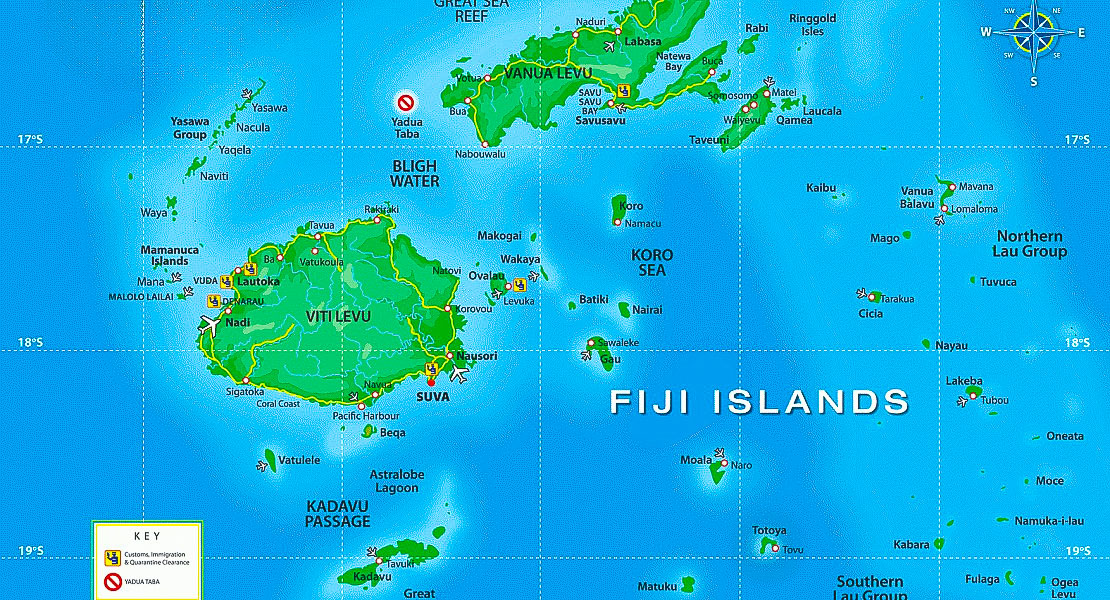
If you are staying near Denarau, Nadi, Coral Coast, or the Mamanuca area, you will usually find easy access to half-day and full-day charters. These departures suit travelers who want a straightforward resort pickup, a defined schedule, and experienced operators who work with visitors every day. If you are based farther afield, availability may be more limited, but the fishing can be just as rewarding.
Trip length matters more than many first-time anglers expect. A half-day trip can be ideal if you are traveling with kids, balancing several excursions, or simply want a taste of fishing without committing the whole day. A full-day charter gives you more range, more time to change techniques, and a better chance of reaching productive offshore grounds if the weather allows.
Reef fishing or deep sea fishing?
This is usually the first real decision, and it shapes the whole outing.
Reef and inshore trips
Reef fishing is often the best fit for beginners, families, and travelers who want a more relaxed day. Water is typically calmer closer to the reef and islands, which can make a big difference if anyone in your group is prone to seasickness. You may target species such as coral trout, trevally, snapper, and other reef fish depending on the area and season.
These trips are less about chasing one dramatic trophy and more about steady action, scenic surroundings, and learning local techniques from the crew. If your group cares as much about the experience as the catch, reef fishing is often the smarter choice.
Offshore and game fishing trips
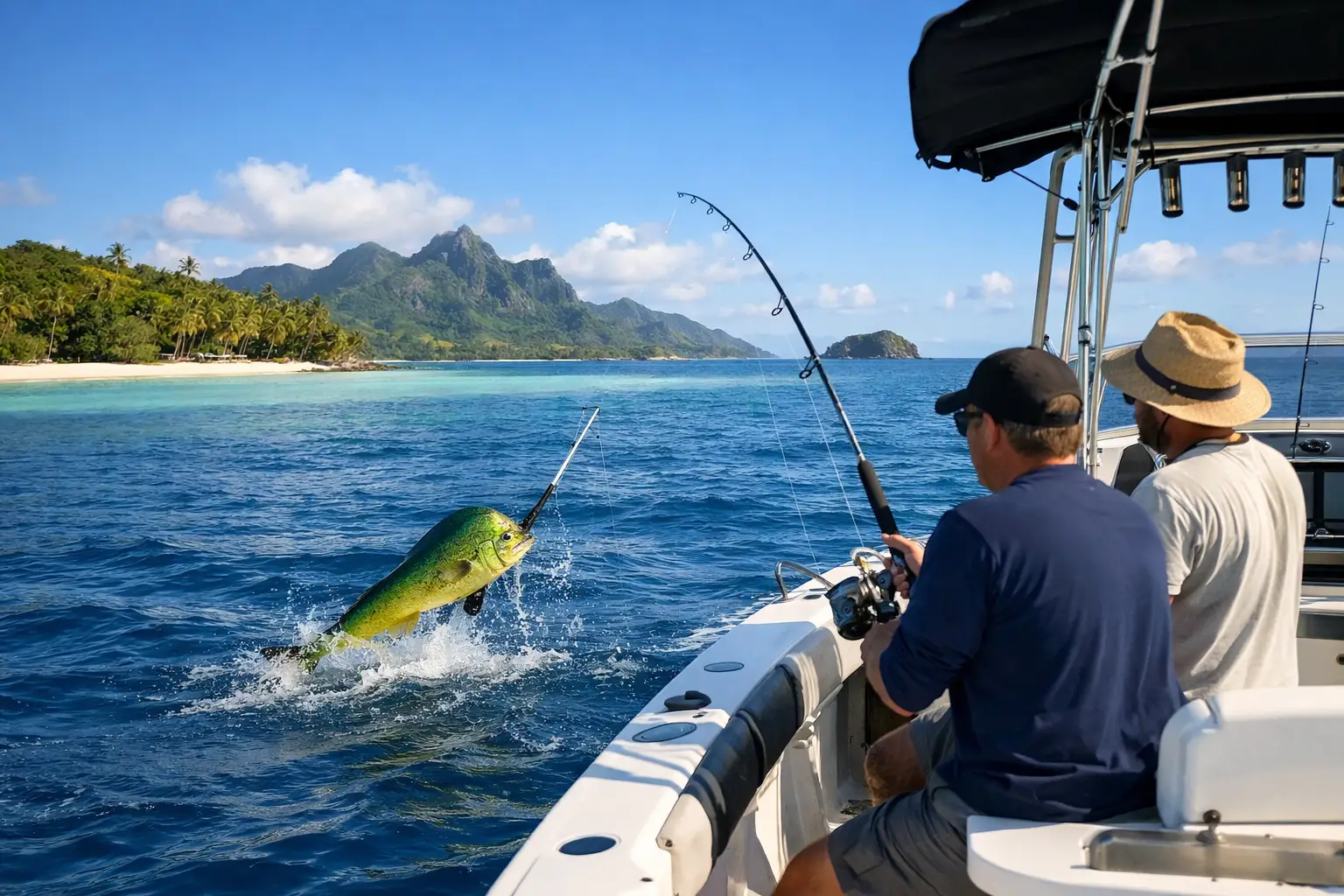
Deep sea charters are built for a different kind of day. You may head farther out in search of mahi mahi, yellowfin tuna, wahoo, sailfish, or marlin depending on the season and conditions. This is the trip people imagine when they picture outriggers, trolling lines, and a reel screaming across blue water.
The trade-off is that offshore fishing can mean a longer run, rougher conditions, and more waiting between bites. When it comes together, it is unforgettable. But it is not always the easiest option for younger children, nervous first-timers, or anyone who mainly wants a calm sightseeing cruise with a rod in hand.
What the day usually looks like
Most charters begin with a morning departure, when seas are often more favorable and crews can make the most of the tide and fish activity. Depending on your departure point, you may be collected from your resort or meet at a marina. Crews normally handle gear, bait, tackle, and safety equipment, so you do not need to arrive as an expert.
Once on board, the captain will make decisions based on weather, season, and recent catches. That local judgment is one of the biggest differences between a reliable charter and a disappointing one. A well-run crew will explain the plan, adjust when conditions change, and keep the day moving instead of sticking rigidly to one spot that is not producing.
Some trips focus almost entirely on fishing. Others blend the experience with island scenery, reef edges, and time to relax between lines in the water. On family-friendly charters, the pace is often more flexible, which helps if younger passengers need breaks.
Catch handling varies by operator. Some charters may clean and prepare fish for you to take back where practical, while others follow stricter marina, transport, or conservation rules. It is worth checking this before you book so expectations are clear.
Best time of year for fishing in Fiji
Fishing in Fiji is possible year-round, but species and sea conditions shift through the seasons. That means the best time depends on what you want to catch and how you want the day to feel.
Warmer months can be productive for pelagic species, with opportunities for tuna, mahi mahi, wahoo, and billfish in some areas. Other times of year may offer better comfort on the water, especially for travelers who prioritize stable weather over big-game ambitions. No charter can promise a specific catch, and any operator who suggests otherwise is overselling. Good crews improve your chances. They do not control the ocean.
If catching a particular species is important to you, ask about seasonality before you lock anything in. If you are simply looking for a fun, professionally run day on the water, flexibility usually pays off.
What to look for before booking
A Fiji fishing charter day trip should feel easy to book and easy to trust. That starts with clear inclusions. You want to know whether transfers, fishing gear, refreshments, lunch, licenses if required, and fish cleaning are part of the rate or extra.
Boat type matters too. Larger boats can offer more shade, more stability, and a more comfortable ride, while smaller vessels may suit shorter inshore trips or private charters with a tighter focus. Neither is automatically better. It depends on your group and the style of fishing.
Crew experience is another major factor. In Fiji, local knowledge is everything – tides, reef passages, seasonal movements, and weather patterns all shape the day. A charter with an experienced captain and attentive deckhands will usually deliver a smoother experience even when fishing is slow.
It also helps to check how the operator handles bad weather. Conditions can change quickly in the islands, and the best providers are clear about safety, rescheduling, and what happens if a trip cannot operate as planned. That kind of transparency is a trust signal, not a drawback.
Is a fishing charter worth it for non-anglers?
Often, yes – if expectations are realistic. Many travelers book fishing trips as a mixed-interest activity, where one or two people are serious about fishing and the rest want a beautiful day on the water. That can work very well on a private charter or a relaxed inshore trip.
It works less well on a hardcore offshore game-fishing day where the priority is covering water and staying focused on the lines. If half your group wants to sunbathe, snorkel, or stop on a beach, a fishing-specific charter may not be the best fit. In that case, a broader ocean excursion with light fishing options could make more sense.
Families should think carefully about duration, shade, and sea conditions. A shorter reef-focused trip is usually easier for children than a full-day offshore run. Travelers with accessibility needs should ask detailed questions in advance about boarding, boat layout, restroom access, and transfer arrangements. Good planning makes a big difference, and support matters.
Why local vetting makes a difference
Fishing charters can look similar online, especially if you are booking from overseas and comparing photos instead of real local context. What matters most is how consistently the operator delivers – punctual departures, maintained vessels, capable crews, honest communication, and support if plans need to change.
That is where local curation becomes valuable. Discover Fiji works with trusted operators and helps travelers compare day trips with more confidence, especially when logistics, resort transfers, and real-time availability are part of the decision. For visitors trying to avoid guesswork, that local filter can save time and prevent the kind of booking mistakes that only become obvious once you are already on vacation.
A few practical tips for the day
Wear soft, sun-protective clothing and non-slip shoes, and bring a hat, reef-safe sunscreen, sunglasses, and any motion sickness medication you may need. Pack lighter than you think. On a boat, too much gear quickly becomes clutter.
If you are hoping for serious fishing, tell the operator that when booking. If you are traveling with children or first-timers, say that too. The more accurate your brief, the easier it is to match you with the right crew and trip style.
A good day on the water in Fiji is not only about the fish count. It is about being on the right boat, with the right captain, in the right conditions for your group. Get that part right, and the stories tend to take care of themselves.