Accessible Fiji: Plan a Holiday That Works

Accessible Fiji: Plan a Holiday That Works
A Fiji vacation can mean calm lagoon water, warm welcomes, and days shaped around exactly what you enjoy. For travelers seeking accessible Fiji experiences, the difference is in the planning details: the right transfer vehicle, a resort layout that suits your needs, and day tours that have been checked with real access requirements in mind.
Accessibility is never one-size-fits-all, particularly across an island destination. A property may have a step-free room but a steep path to the pool. A boat cruise may welcome wheelchair users but require assistance at the jetty. The best holiday starts with clear questions, accurate information, and local support that understands how Fiji operates on the ground.
What Accessible Fiji Travel Can Look Like
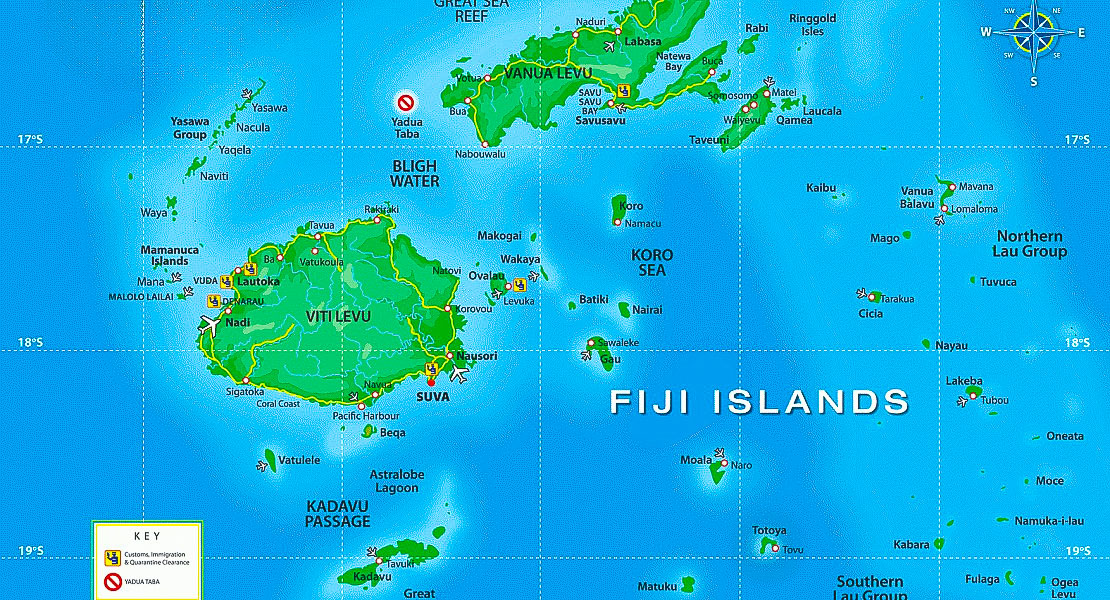
Fiji is made up of more than 300 islands, so conditions naturally vary between resorts, roads, boats, beaches, and attractions. That does not mean travelers with mobility, sensory, hearing, vision, cognitive, or other access needs should settle for a smaller holiday. It means building an itinerary around experiences that are appropriate for you rather than relying on broad accessibility labels.
For some visitors, that may mean a beachfront resort with paved paths, accessible bathrooms, and a pool hoist. For others, it may mean arranging a transfer with room for a folding wheelchair, choosing a cultural visit with minimal walking, or confirming whether a snorkel trip can accommodate a guest who needs boarding assistance.
The goal is not to make every Fiji activity fit every traveler. It is to find the experiences that let you enjoy Fiji comfortably, confidently, and at your own pace.
Start With the Transfer, Not the Tour
After a long international flight, airport logistics should feel straightforward. Nadi International Airport is the main gateway for most visitors, and pre-arranging your arrival transfer gives you a clear plan from the moment you land.
When booking, share the details that affect your comfort. Let the provider know whether you travel with a manual or powered wheelchair, whether it can fold, what assistance you may need entering the vehicle, how much luggage you have, and whether you are traveling with a companion, child, service animal, or medical equipment. Vehicle space and loading arrangements matter, especially for larger mobility devices.
The same thinking applies to trips between your resort and day-tour departure points. Fiji’s resort areas can be spread out, and not every pickup point has level access or shade while waiting. A confirmed transfer helps avoid last-minute uncertainty and gives your driver time to prepare.
If your itinerary includes an outer-island stay, ask early about boat or domestic-flight access. Jetties, tides, vessel design, and weather can affect boarding. A local specialist can explain the practical reality before you commit, rather than offering a vague promise that everything will be easy.
Choose Accommodations for the Whole Day
An accessible guest room is a strong start, but it is not the entire stay. Before booking, consider how you will move through the property from breakfast to beach time, dinner, and evening entertainment.
Ask about the route between the room, reception, restaurants, pool, beach, and tour pickup area. Are paths paved and level? Are there stairs, sand crossings, inclines, or uneven garden walkways? Is there an accessible restroom in the public areas? Can the restaurant accommodate a wheelchair at the table, and are dietary requirements handled with care?
Room features deserve specific questions too. Door widths, roll-in showers, grab bars, shower seating, bed height, reachable switches, and turning space can make a meaningful difference. Travelers with hearing or vision needs may also want to ask about visual alarms, room orientation, clear signage, staff assistance, and lighting around pathways after dark.
A resort can be beautiful and still not be the right fit for every guest. Choosing based on verified details helps make sure the setting supports your vacation instead of creating daily workarounds.
Finding Day Tours That Match Your Needs
Fiji’s best experiences are not limited to high-energy adventure. A well-planned day can include a scenic cruise, a gentle cultural visit, a relaxed waterfront lunch, a sunset outing, or time at a beach where access and facilities have been discussed in advance.
Boat Trips and Island Cruises
A day cruise can be a wonderful way to experience Fiji’s clear water and island scenery, but access depends on more than the boat itself. Ask about the boarding point, the number and height of steps, handrails, gangways, onboard restroom access, seating, shade, and crew assistance. Tidal conditions may also change the boarding process.
For guests who do not wish to enter the water, a cruise can still be a memorable day out. Confirm that there is comfortable seating, cover from the sun, and enough time to enjoy the island or boat without feeling rushed. For travelers who do want to swim or snorkel, discuss entry methods, flotation equipment, and whether a companion or crew member can assist.
Cultural Experiences and Sightseeing
Village visits, market stops, and cultural performances offer a meaningful connection to Fiji, but walking surfaces can range from paved areas to grass, gravel, and uneven paths. Ask where vehicles stop, how far guests need to walk, whether seating is available, and if restrooms are accessible.
The most rewarding cultural experiences are respectful as well as practical. A slower pace often creates more time to talk, observe, and take part. If standing for a traditional welcome or sitting on the floor is difficult, communicate that ahead of time. Thoughtful hosts can often offer alternatives while preserving the spirit of the occasion.
Nature, Waterfalls, and 4WD Adventures
Fiji’s waterfalls and inland landscapes are spectacular, but many involve unpaved tracks, stairs, stream crossings, or muddy ground after rain. These trips are best approached with honest expectations. A 4WD safari may reduce the walking required, while a waterfall stop may still involve a route that is not suitable for every mobility level.
Ask for a clear description of terrain, transfer duration, walking distance, restroom availability, and whether there is a scenic alternative if a particular stop proves unsuitable. Weather is part of the decision too. A route that is manageable in dry conditions may be significantly harder after heavy rain.
Share Your Requirements Early and Clearly
The more specific you can be, the better your travel arrangements can be. Rather than saying you need an “accessible tour,” explain what accessibility means for you. You might need step-free access, a vehicle lift, an aisle seat, a slower walking pace, a guide who can communicate clearly, low-sensory timing, or support with boarding a boat.
It also helps to distinguish between what is essential and what is preferred. For example, a roll-in shower may be essential, while a room close to the restaurant may be preferred. This allows travel specialists to prioritize the details that cannot be compromised.
Bring any equipment that is central to your independence, along with chargers, adapters, medications, a repair kit where relevant, and copies of key specifications for mobility devices. Fiji’s warm, humid climate and salt air can be demanding on equipment, so protective covers and backup plans are sensible.
Why Local Confirmation Matters in Fiji
Online descriptions can be useful, but they do not always reflect a recent change to a jetty, a room configuration, a vehicle, or a path after seasonal weather. In Fiji, local knowledge is particularly valuable because conditions can shift between properties and islands.
Discover Fiji’s Accessible Fiji program is built around that practical understanding. Local specialists can help identify suitable options, confirm availability, and communicate directly with operators about individual requirements before travel. That level of coordination helps travelers book with confidence instead of hoping a generic accessibility symbol tells the full story.
Support should continue beyond the booking moment. If weather changes a boat departure, a pickup needs adjusting, or a planned activity no longer feels right on the day, having a team that understands local operations can make the next step much simpler.
Leave Room for the Fiji Pace
The strongest accessible itinerary is not packed from morning to night. Allow time between transfers, choose one main experience for a day when needed, and build in relaxed resort time. Fiji is at its best when there is space to enjoy the view, share a meal, and let the day unfold without pressure.
Start by identifying the moments you most want from your holiday, then plan access around them with care. Whether that is a sunset over the water, a family beach day, or a warm Fijian welcome, the right preparation makes those moments easier to reach.
All Categories
Recent Posts

Fiji Honeymoons: Plan the Right Island Stay

Accessible Fiji: Plan a Holiday That Works