Fiji Nadi Airport Arrival Guide for First-Timers

Fiji Nadi Airport Arrival Guide for First-Timers
The first sound many visitors hear after stepping off a long-haul flight at Nadi International Airport is a warm “Bula!” It is a fitting welcome, but there are still a few practical steps between the aircraft door and your Fiji resort. This Fiji Nadi airport arrival guide explains what to expect, where delays can happen, and how to make the first hour of your vacation feel easy rather than rushed.
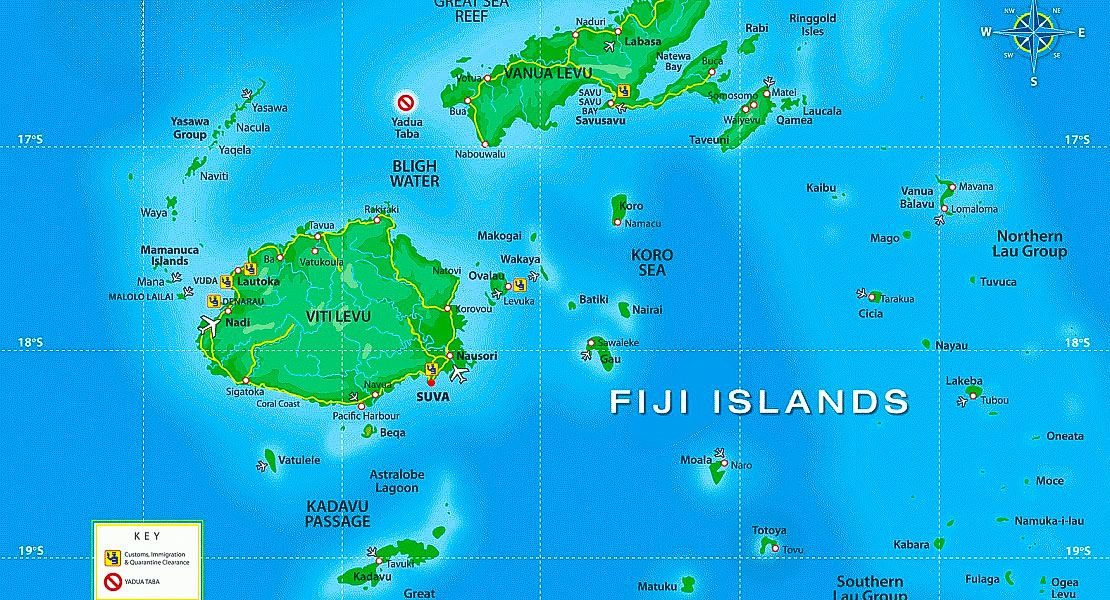
Nadi is Fiji’s main international gateway, serving travelers heading to Denarau, Coral Coast resorts, the Mamanuca and Yasawa Islands, Pacific Harbour, and beyond. The airport is compact compared with major U.S. hubs, yet arrival times vary with flight schedules, family needs, and customs checks. A little preparation goes a long way.
Before You Land in Nadi
Keep your passport, arrival documentation, accommodation address, and onward or return travel details together in your carry-on. Your passport should generally be valid for at least six months beyond your planned departure date. Entry rules, visa requirements, and health declarations can depend on your nationality and recent travel history, so confirm the current requirements with Fiji’s official immigration authorities and your airline before departure.
The cabin crew may provide an arrival or customs declaration form, depending on current procedures. Fill it out carefully before landing if one is provided. Fiji takes biosecurity seriously, and the form is not a box-ticking exercise. If you are unsure whether an item needs to be declared, declare it. Officers would rather ask a quick question than have you risk a fine or the loss of an item.
Wear comfortable shoes and keep a light layer handy. Nadi’s tropical warmth will greet you soon enough, but aircraft cabins and airport air conditioning can feel cool after an overnight flight.
Fiji Nadi Airport Arrival Guide: Immigration First
After leaving the aircraft, follow the signs for international arrivals and immigration. At busy times, especially after several flights arrive close together, there may be a wait. Families, travelers requiring assistance, and passengers with mobility needs should allow extra time and let airport staff know if support is needed.
At immigration, have your passport and completed documents ready. The officer may ask straightforward questions about the purpose and length of your stay, where you are staying, and your departure plans. Answer clearly and keep confirmation details accessible on your phone or in print.
For most visitors, this part is uncomplicated. The best approach is simply to be organized and patient. Do not make tight assumptions about how quickly you will be outside the terminal, particularly if you have a domestic connection, a scheduled island boat transfer, or a tour departure later that day.
If You Have a Domestic Flight or Island Connection
A same-day connection can work well, but it needs breathing room. Domestic flights and boat departures may operate from separate terminals, marinas, or resort check-in points. You must first clear immigration, collect checked bags, and pass customs before continuing.
If your onward connection is to a Mamanuca or Yasawa island, check exactly where and when your transfer departs. Some services leave from Port Denarau, while others have their own arrangements. When possible, consider arriving at least a day before a fixed island departure, especially during peak travel periods or if your international itinerary has a short connection.
Collecting Bags and Clearing Biosecurity
Baggage reclaim is immediately after immigration. Check the overhead screens for your flight’s assigned belt and collect every piece before heading toward customs. If a bag has not appeared after the belt stops, speak with your airline’s baggage desk before leaving the arrivals area.
Fiji’s customs and biosecurity controls protect the islands’ environment and agriculture. This matters more than many first-time visitors expect. Food, plant material, animal products, hiking or camping equipment, sports gear with dirt or grass on it, and some medicines may require declaration or inspection.
Pay special attention to these items:
- Snacks, fresh produce, meat, dairy products, honey, seeds, nuts, and food carried from home or purchased during transit.
- Hiking boots, golf shoes, camping gear, fishing equipment, and any item with soil, sand, or organic material attached.
- Wooden, plant-based, or animal-derived souvenirs brought from another country.
- Medication, particularly prescription medicine or items that may need supporting documentation.
Clean outdoor gear before you travel, and keep medication in its original labeled packaging. A customs inspection can add a little time, but it is a normal part of protecting Fiji’s reefs, forests, farms, and islands. Honesty is always faster and safer than guessing.
Money, SIM Cards, and the Small Things That Help
Once you enter the public arrivals hall, you will find useful services such as currency exchange, ATMs, mobile options, and transfer representatives. Fiji uses the Fijian dollar. Cards are widely accepted at many resorts, restaurants, and established tour operators, but carrying some local cash is helpful for small purchases, local markets, taxis, and gratuities.
You do not need to exchange all your spending money at the airport. Airport exchange counters are convenient, while rates may differ from those available elsewhere. Withdrawing a modest amount from an ATM or exchanging enough for your first day is often a practical balance. Let your bank know you are traveling so your card is less likely to be blocked.
A local SIM or eSIM can be useful for contacting your driver, confirming activities, and using maps when you are away from resort Wi-Fi. Coverage is generally good in populated areas, though it can be weaker on remote islands and in more rural parts of Viti Levu. If you are staying mostly at a resort and prefer to disconnect, relying on Wi-Fi may be enough. It depends on how independently you plan to travel.
Finding Your Airport Transfer
Pre-booking an airport transfer is one of the easiest ways to begin a Fiji holiday with confidence. Your driver or representative will usually meet you in the arrivals area with a sign displaying your name or the transfer company’s name. Follow the instructions sent in your confirmation, and keep the provider’s contact details saved offline in case your phone connection is delayed.
Do not worry if you emerge later than expected after immigration or biosecurity. Reputable transfer teams monitor flight arrivals and understand that baggage and customs timings are outside your control. If your flight is significantly delayed or you cannot find your representative, contact the operator rather than accepting the first unsolicited offer.
Taxis are available, but confirm the fare approach before leaving. A pre-arranged private or shared transfer is especially useful for families with car seats, travelers carrying surfboards or extra luggage, groups, and anyone arriving late at night. It also removes the need to navigate prices and directions while jet-lagged.
Discover Fiji works with locally vetted transfer providers, making it simpler to pair your arrival transport with day tours, cruises, and activities later in your stay. Booking with a trusted local team means you have a clear point of contact if plans change.
Typical Driving Times From Nadi Airport
Your resort’s location shapes the rest of your arrival day. Denarau is usually a short drive from the airport, while many hotels in central Nadi are even closer. The Coral Coast is farther south and can take several hours by road, depending on the property and traffic. Transfers to the Pacific Harbour area are longer again.
Plan your first day accordingly. If you have a long road transfer, schedule a relaxed evening rather than a fixed dinner reservation or a high-energy excursion. Fiji time is welcoming, but it is still wise to leave room for the real-world rhythm of flights, luggage, and roads.
Arrival Tips for Families and Accessible Travel
For families, pack a small arrival kit in your personal item: water bottle, snacks that comply with Fiji’s biosecurity rules or can be discarded before landing, wipes, a change of clothes for young children, and any essential medication. Restrooms and airport services are available, but having basics close by makes lines easier.
Travelers with accessibility requirements should arrange assistance with their airline before flying and advise their transfer provider of mobility equipment, service needs, or space requirements. Accessible rooms, vehicles, and activity options can vary by property and location, so advance planning is valuable. Fiji is increasingly expanding inclusive travel choices, and the right local arrangements can make a meaningful difference from the moment you arrive.
Give Yourself Permission to Arrive Slowly
There is no prize for racing from the runway to a packed itinerary. If you land early, consider breakfast, a swim, or a quiet resort check-in before committing to an excursion. If you arrive in the afternoon or evening, use the first night to settle in, adjust to the time difference, and confirm the details of tomorrow’s plans.
Keep your transfer confirmation, resort address, and next-day bookings available on your phone, then take a breath when you walk into the arrivals hall. Fiji starts with a Bula, and allowing yourself a little time to receive that welcome is often the best first plan of all.