Fiji Cruise Versus Island Stay: Choose Your Trip

Fiji Cruise Versus Island Stay: Choose Your Trip
A Fiji cruise versus island stay is not simply a choice between two places to sleep. It shapes the rhythm of your vacation: whether you wake up somewhere new each morning or settle into one island and let the days unfold at your own pace. Both can deliver clear water, warm Fijian hospitality, reef time, and unforgettable sunsets. The better choice comes down to how you like to travel.
For some visitors, a cruise makes the islands feel wonderfully close together. For others, the best part of Fiji is having nowhere else to be – lingering at the beach, getting to know the resort team, and returning to a favorite snorkeling spot. Here is how to choose with confidence.
Fiji Cruise Versus Island Stay: The Real Difference
A Fiji cruise is built around variety and movement. You travel between islands, usually with meals, accommodation, and selected activities included, while your luggage stays in one cabin. It is a convenient way to see a wider stretch of the Mamanuca or Yasawa Islands without arranging every boat transfer yourself.
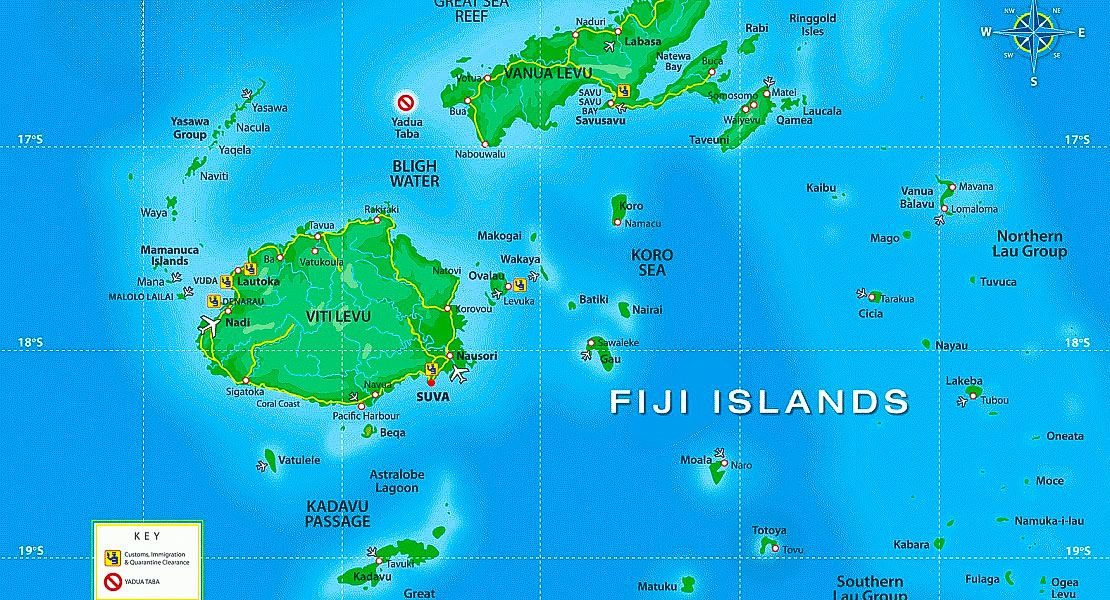
An island stay is more rooted. You choose a resort, hotel, or island retreat and use it as your base for several nights. That might mean a family-friendly property near Nadi or Denarau, a private-feeling escape in the Mamanucas, or a more remote Yasawa resort. Your vacation has a home base, but it does not have to be repetitive. Day cruises, cultural visits, fishing charters, reef trips, and waterfall adventures can add as much activity as you want.
Neither option is automatically more luxurious, adventurous, or relaxing. A small-ship cruise can be intimate and peaceful, while a lively island resort can have a full schedule from morning to night. Look beyond the label and consider your preferred pace, your travel group, and how much planning you want to do before you arrive.
Choose a Cruise If You Want to See More Islands
A cruise is often the strongest match for first-time visitors who want a broad introduction to Fiji. The country has more than 300 islands, and many of its postcard-worthy beaches and reefs are reached by boat. A cruise lets you experience several without repeatedly checking out, arranging luggage transfers, or working out ferry schedules.
It can also make a short vacation feel bigger. In five to seven nights, you may visit sand cays, snorkel different reefs, join a village visit, and spend evenings under a new island skyline. If your ideal trip involves waking up ready for the next view, that sense of progression is hard to beat.
Cruises simplify the practical details, too. Meals are commonly included, and organized excursions make it easier to fit in activities without last-minute searching. This appeals to travelers who value a clear itinerary, especially couples looking for a hassle-free escape or solo travelers who enjoy meeting people along the way.
The trade-off is time. Cruise schedules are designed around ports, sailing conditions, and group activities. You may only have a few hours at a particular beach or village, and you cannot decide to stay an extra afternoon because the snorkeling is exceptional. Cabins are generally smaller than resort rooms, and the social atmosphere may not suit travelers looking for complete privacy.
A cruise can also be less flexible for travelers who need highly tailored accessibility arrangements. Always ask in advance about boarding, cabin access, shore transfers, mobility support, and the physical requirements of each excursion. The right operator will be clear about what is possible rather than making assumptions.
Choose an Island Stay If You Want to Slow Down
An island stay gives Fiji room to work its quiet magic. You can begin the day with breakfast overlooking the lagoon, take a swim when the water is calmest, and decide later whether the afternoon calls for a massage, paddleboard, guided snorkel, or absolutely nothing at all.
This choice is particularly rewarding if you are traveling for a honeymoon, celebrating a milestone, or bringing children who benefit from a consistent room, familiar meal times, and less packing. Families often find that an island base makes the logistics easier: there is no need to move suitcases, navigate new cabins, or keep up with a fixed daily schedule.
Staying put can create deeper local connections as well. Over several days, you may get to know the staff who greet you by name, return to the same reef at different tides, or spend more meaningful time at a nearby village or cultural experience. Fiji is renowned for its warmth, and a slower itinerary gives those interactions time to become more than a quick hello.
The compromise is that you will not see as many islands without extra planning. Resort transfers and boat trips vary by location, and a remote property can make spontaneous exploring more expensive or weather-dependent. That does not mean an island stay is limiting. It simply means choosing a base with the experiences you care about within reach.
The Best Island Bases for Different Travel Styles
Denarau and the Coral Coast suit travelers who want easy road transfers, a choice of restaurants, and access to mainland excursions such as waterfalls, markets, 4WD adventures, and cultural tours. They are practical choices for multigenerational groups and visitors who prefer resort convenience without relying on boats every day.
The Mamanuca Islands are ideal for travelers who picture white sand, turquoise water, and easy access to day cruises. These islands are close enough to the mainland for relatively straightforward boat transfers, yet feel distinctly removed from the everyday.
The Yasawa Islands are a better fit when remoteness is the point. The scenery is dramatic, the pace is slower, and the journey is part of the experience. Plan enough nights to justify the travel time, especially if you want to explore caves, reefs, or villages beyond your resort.
Compare the Cost Beyond the Nightly Rate
A cruise may look more expensive upfront, but the price can include accommodation, meals, inter-island transport, and parts of your activity program. That can make budgeting easier, particularly if you would otherwise book multiple island transfers and restaurant meals separately.
An island stay offers more control. You can select a resort that fits your budget, choose only the excursions you want, and balance special experiences with free beach days. But check what is included before comparing prices. Factor in airport transfers, boat transfers, meal plans, equipment hire, and tours, especially at remote resorts where outside dining options are limited.
For travelers watching costs, one smart approach is to split the vacation. Spend a few nights at a mainland or Denarau resort for easy arrivals and activities, then add an island stay or short cruise for the postcard-Fiji portion of the trip. This can reduce transfer pressure while still giving you the experience of sleeping near the reef.
How to Match the Choice to Your Travel Group
Couples who want variety, sociable evenings, and minimal planning may enjoy a cruise. Couples seeking privacy, long lunches, and unstructured time will usually prefer an island stay. If romance means discovering a new bay every day, cruise. If it means claiming the same quiet stretch of beach, stay put.
Families should consider their children’s ages and confidence on boats. A resort base is often easier for younger children, naps, and flexible meal times. Older kids and teens who love snorkeling, water sports, and meeting fellow travelers may find a cruise exciting. In either case, ask about kids’ clubs, family rooms, life jackets, swimming conditions, and transfer duration before booking.
Adventure seekers can thrive with either option. A cruise offers geographic variety, while an island stay allows you to focus on a particular passion, whether that is diving, fishing, surfing, or long days on the water. Culturally curious visitors may prefer an itinerary that includes a respectful, locally hosted village experience rather than relying on a resort schedule alone.
Make Your Fiji Time Work Harder
The most satisfying Fiji vacation is often a blend of structure and freedom. If you take a cruise, leave a night or two on the mainland before or after sailing to recover from long-haul flights and enjoy a different side of Viti Levu. If you choose an island stay, reserve one or two standout excursions before you arrive, then leave open days for the moments you cannot schedule.
Pay close attention to transfer times. An early international arrival may not connect comfortably with a same-day outer-island boat, while a late departure can make an overnight near Nadi or Denarau worthwhile. Confirming these details early prevents the kind of rushed first day that no tropical view can fully fix.
For trusted local options, Discover Fiji can help match day cruises, transfers, and activities to your chosen base, with real-time availability and support before, during, and after your trip. Book with confidence, but leave a little space in the itinerary too. In Fiji, the unplanned swim, sunset, or conversation is often the memory that stays with you longest.