Best Fiji Beaches for Every Kind of Beach Day
Best Fiji Beaches for Every Kind of Beach Day
A beach day in Fiji can mean very different things depending on where you stay. You might be floating over a calm coral lagoon near the Mamanuca Islands, watching children build sandcastles on the Coral Coast, or arriving by boat at a stretch of white sand with no road, crowds, or beach vendors in sight. That variety is what makes Fiji beaches so memorable – and why choosing the right island or coastline matters.
For many visitors, the best beach is not necessarily the most photographed one. It is the one that fits the pace of your trip, the people traveling with you, and the activities you want within easy reach. Fiji’s beaches are scattered across more than 300 islands, so a little local planning can turn a beautiful beach holiday into an effortless one.
Fiji Beaches by Region
Mamanuca Islands: Easy Island Escapes
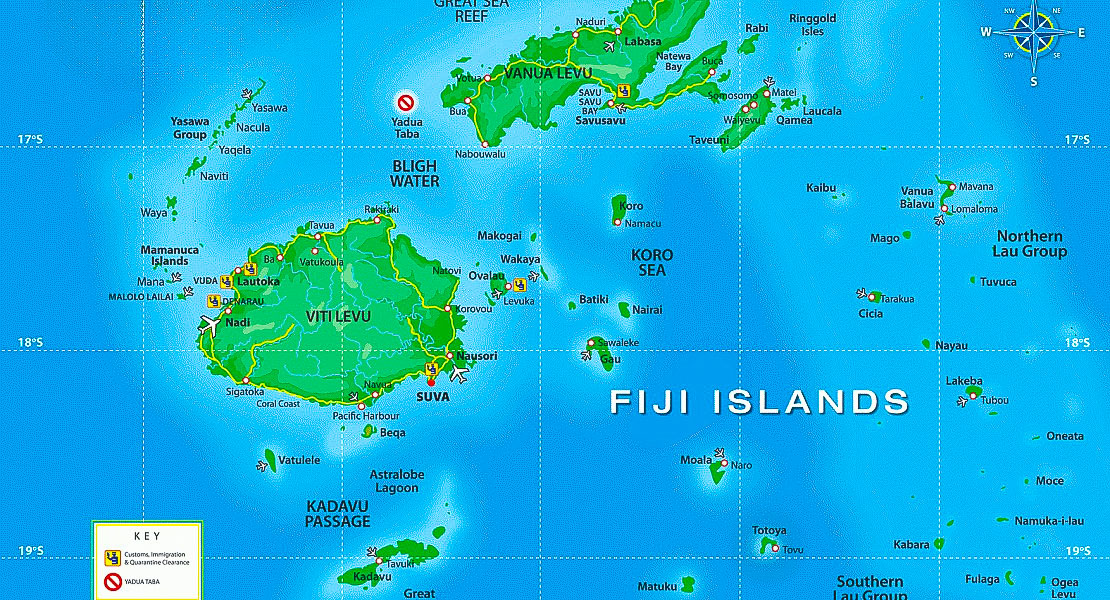
The Mamanuca Islands are a natural choice for travelers who want clear water, soft sand, and a convenient day trip from Nadi or Denarau. These islands sit west of Viti Levu and are reached by scheduled boat transfers, catamarans, or private charters. Their protected lagoons often have the bright turquoise water that travelers picture when they imagine Fiji.
They are especially well suited to couples, first-time visitors, and families who want to pair beach time with snorkeling, paddleboarding, or a relaxed island lunch. Several islands are close enough for a full-day cruise, which is useful if your vacation includes only a few days on the coast.
The trade-off is popularity. The easiest islands to reach can feel busier during school holiday periods and on days when multiple vessels arrive. If a quieter experience is your priority, choose a smaller-island cruise, travel earlier in the day, or consider an overnight island stay rather than a standard day visit.
Yasawa Islands: For Remote Sand and Big Scenery
Farther north, the Yasawa Islands feel more remote, with rugged volcanic hills, long beaches, and reefs that begin close to shore. This is where travelers often find that castaway feeling: a simple beach, a warm lagoon, and very little between you and the horizon.
The Yasawas are a strong fit for honeymooners, adventurous couples, solo travelers, and anyone happy to trade short transfer times for a more secluded setting. Depending on the island, you can combine beach time with snorkeling trips, village visits, limestone caves, and sunset views that need no special itinerary.
Getting there takes longer than reaching the Mamanucas. Boat travel can take several hours, and seaplane transfers offer speed and spectacular views at a higher cost. It is worth staying at least two or three nights if your schedule allows. A long journey for a few hours on the sand rarely does this part of Fiji justice.
Coral Coast: Relaxed Beaches on the Main Island
The Coral Coast runs along Viti Levu’s southern shoreline and offers an easygoing alternative to a multi-island itinerary. Resorts and villages are spread along the coast, with beaches, reef lagoons, and lush inland landscapes all within reach. It is a practical base for families and travelers who prefer to avoid frequent boat transfers.
The beach experience here depends on the tide. Many sections are reef-fringed, creating calm water at high tide but exposing coral flats at low tide. Those flats can be fascinating for a guided reef walk, but they are not always ideal for swimming. Ask your accommodation or local tour team about the daily tide pattern before planning a full beach day.
The real advantage of the Coral Coast is variety. Spend one day by the water, then add a waterfall outing, cultural village visit, river adventure, or 4WD safari without changing hotels. It is a sensible choice for multigenerational groups with different energy levels.
Natadola Beach: A Classic Swim-and-Sand Day
Natadola Beach, on Viti Levu’s southwest coast, is often mentioned among Fiji’s most beautiful mainland beaches. The long sweep of pale sand and open water feels different from a typical reef lagoon. It is a great option for travelers who want a classic beach walk, room to spread out, and a good chance of swimming when conditions are calm.
Because this is an exposed coastline, sea conditions can change with the weather. Families with young children should use the same care they would at any open beach: keep an eye on the water, pay attention to local advice, and avoid assuming every part of the shoreline is equally calm. The reward is a dramatic, spacious beach day without a long island transfer.
Northern Fiji: Beaches with a Slower Rhythm
Vanua Levu and nearby islands offer a quieter side of Fiji. The beaches may not always be the wide, resort-style strips found in the Mamanucas, but the experience can be deeply rewarding: uncrowded shores, traditional communities, excellent diving, and a pace that encourages travelers to stay longer.
This region is ideal for visitors who have already seen Fiji’s better-known island groups or who want a holiday built around reef experiences and local connection. Savusavu is a useful base for exploring northern waters, while more remote island stays can deliver exceptional snorkeling straight from the beach.
How to Choose the Right Beach Experience
Start with the question of how much travel time you want to spend getting to the sand. If you are arriving at Nadi International Airport and only have a few nights, the Mamanucas, Denarau area, Natadola, or the Coral Coast keep logistics manageable. If you have a week or more, the Yasawas or northern islands become much more appealing.
Next, consider what “beach time” means to your group. For some travelers, it means a sheltered lagoon where children can play near shore. For others, it means snorkeling over coral, joining a sailing trip, or finding a quiet stretch of sand with no agenda. Fiji can deliver all of these, but not always from the same beach.
Reef shoes are a smart addition to almost any packing list, particularly around coral flats and rocky entries. Use reef-safe sun protection, bring a reusable water bottle, and never stand on coral. Fiji’s reefs are central to the beach experience, and treating them carefully helps protect the places visitors come to enjoy.
Make Your Beach Day Easy to Book
A good Fiji beach day is often shaped by the details travelers do not see in the postcard: transfer timing, boat capacity, weather, tide, inclusions, and how far you need to walk once you arrive. Booking a vetted excursion helps remove that uncertainty, especially when your time on the islands is limited.
Look for clear departure points, return transfer details, meal inclusions, snorkeling equipment, and cancellation terms before confirming. If mobility is a consideration, ask early about vessel boarding, beach access, restroom facilities, and any support available at the resort or activity location. Fiji is working to make travel more accessible for everyone, but the practical experience can vary significantly between islands and operators.
Discover Fiji works with local operators who know these waters, roads, and island schedules firsthand. That local knowledge is particularly valuable when you are comparing a quick day cruise with an overnight island stay, or trying to coordinate a beach excursion around airport transfers and resort check-in times.
When to Visit Fiji’s Beaches
Fiji is warm year-round, but conditions change across the seasons. The drier months, generally from May through October, often bring lower humidity and pleasant conditions for boat trips and time on the sand. This is also a popular period, so booking sought-after island cruises and accommodations ahead is wise.
From November through April, the weather is warmer and more humid, with a greater chance of tropical rain. Rain showers do not automatically ruin a beach vacation – they can be brief, and the water remains inviting – but flexibility matters more. If you are traveling during this period, build in a little room to shift a boat trip if conditions require it.
Regardless of season, mornings are often the best time for a beach excursion. The light is softer, the water may be calmer, and you have more of the day to enjoy the island before heading back.
The right Fiji beach is the one that gives you time to be present, whether that means a child’s first snorkel, a barefoot lunch by the lagoon, or a boat ride to an island that feels wonderfully far from everything. Plan the transfers well, leave room for the tide, and let the islands set the pace.