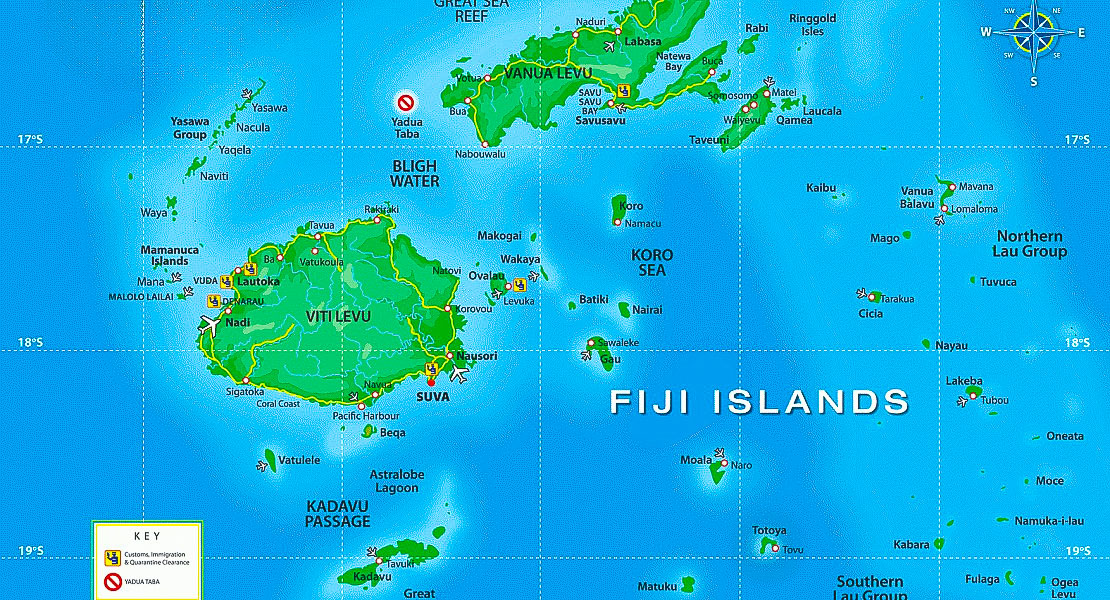
Fiji Village Etiquette: A Respectful Visitor Guide
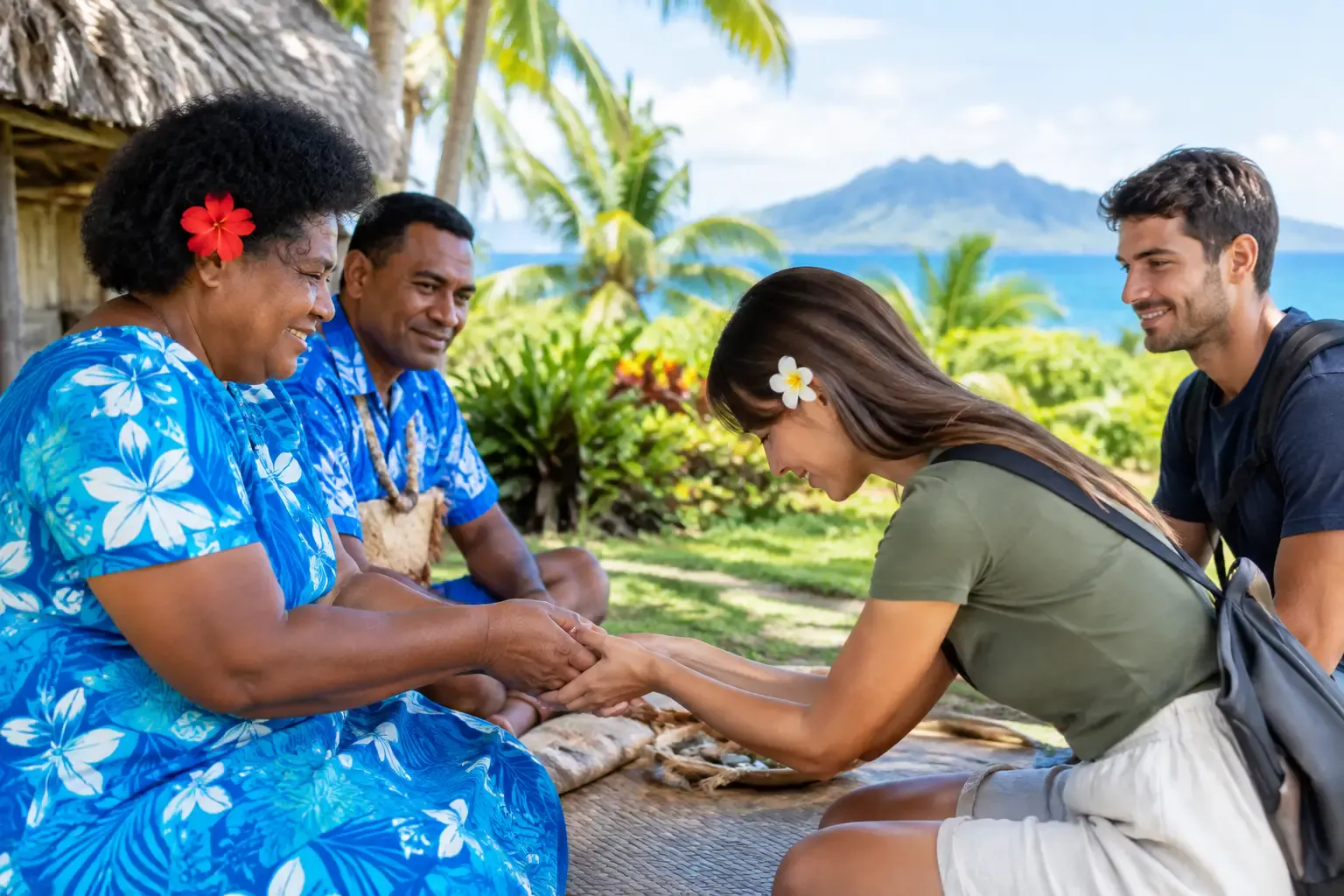
Fiji Village Etiquette: A Respectful Visitor Guide
A Fijian village visit can be one of the most memorable moments of a Fiji holiday: a welcome beside the village green, the sound of singing, children calling out a cheerful “Bula,” and a chance to meet the people behind the islands’ famous warmth. Knowing a little Fiji village etiquette before you arrive helps turn that welcome into a genuinely respectful exchange.
Village customs are not a performance to be consumed. They are part of everyday community life, and each village has its own protocols, leaders, and traditions. Your guide will explain what is expected on the day, but these practical pointers will help you arrive comfortable, prepared, and ready to be a thoughtful guest.
What a Village Visit Means in Fiji
In Fiji, a village is a living community with family homes, a church, a meeting house, and shared spaces that have cultural meaning. Many visitors come as part of a guided cultural tour, often with a traditional welcome ceremony, lunch, craft demonstration, dance, or time to speak with local residents.
The experience may feel relaxed, and it usually is. But it is still an invitation into someone’s home community. The easiest rule is also the most useful: follow your local guide and your hosts’ lead. They know the customs of that particular village, including where visitors may walk, when photos are appropriate, and whether shoes should be removed.
A reputable operator plans these visits with village permission and clear timing. That matters. It gives the community control over how visitors are received while giving you context that makes the experience far more meaningful.
Fiji Village Etiquette Starts With What You Wear
Modest clothing is expected in most villages, regardless of how casual your resort dress code may be. Bring clothing that covers your shoulders and knees. A light shirt or T-shirt with longer shorts, a skirt below the knee, or loose pants works well in Fiji’s warm weather.
Women may be asked to wear a sulu, the wrapped fabric worn throughout Fiji, particularly for a ceremony or church visit. Men may also be offered or encouraged to wear one. Accepting it graciously is a simple sign of respect, and it is usually more comfortable than it looks in tropical heat.
Swimwear is for the beach, pool, or boat – not the village. Avoid very short shorts, crop tops, and clothing that is sheer or overly revealing. Bring a light cover-up in your day bag even if your tour begins with snorkeling or a cruise.
Shoes are another area where your host’s direction matters. You may be asked to remove them before entering a home, church, hall, or other indoor space. Slip-on sandals make this easy. Keep your feet tidy, and never point the soles of your feet toward people during a seated ceremony if you can avoid it.
Dress for the occasion, not just the weather
Some village visits include a church service, a formal welcome, or a kava ceremony. These call for slightly more conservative dress than a quick stop at a local market. If your itinerary includes several activities, ask your tour team what to bring or keep a sulu in your bag. Small preparation prevents awkwardness and lets you focus on the welcome.
The Kava Ceremony: Be Present and Follow Along
A traditional kava ceremony is often the centerpiece of a village welcome. Kava is a mildly relaxing drink made from the root of the yaqona plant. It is served from a shared bowl in a coconut shell cup and carries real cultural significance as a gesture of friendship, respect, and connection.
Before receiving your cup, listen to your guide or the person leading the ceremony. Usually, you clap once before accepting the cup, drink it in one go, then clap three times afterward. You may hear the word “Bula” as you drink. Join in if invited.
If you do not drink alcohol, have no concern: kava is not alcoholic. If you have medical, pregnancy, medication, or dietary concerns, let your guide know before the ceremony. It is better to ask discreetly in advance than to make a decision in the middle of a formal welcome. In many settings, a respectful explanation is understood, but your guide can advise on the right approach for that village.
The taste is earthy and can make your lips or tongue feel temporarily tingly. That is a normal effect. Avoid treating the ceremony as a drinking challenge or making jokes about the taste. Sit attentively, keep your phone away, and allow the occasion to unfold at the pace set by your hosts.
Photos, Conversations, and Personal Space
Fiji is wonderfully photogenic, but a village is not an open-air photo set. Always ask before photographing people, especially elders, children, homes, church interiors, or ceremonial moments. A smile and a gesture toward your camera is often enough, though your guide can ask in Fijian when needed.
If someone says no, or seems unsure, put the camera down without fuss. The best photographs usually come after a real conversation anyway. Be especially thoughtful about posting images of children on social media. Permission to take a photo is not automatically permission to share it publicly.
Warm conversation is welcome. Ask about daily life, gardens, crafts, school, rugby, music, or the meaning of a ceremony. Avoid arriving with assumptions about how people live or turning personal questions into an interview. Fiji is culturally diverse, and village life differs across islands and regions.
A few simple words go a long way. “Bula” is a friendly greeting, while “vinaka” means thank you. Say them naturally, not as a script. Your hosts will appreciate the effort, and you do not need perfect pronunciation to show goodwill.
Respect the Village’s Sacred and Shared Spaces
Your guide may point out areas that visitors should not enter, including private homes, church spaces, burial grounds, or areas reserved for community use. Stay with your group and ask before wandering off, even when a path or view looks inviting.
Churches deserve particular care. Dress conservatively, silence your phone, and follow directions about seating, singing, and photography. Some villages may be quieter on Sundays because church and family time take priority. This is not a disappointment in the itinerary – it is a reminder that the community’s rhythm comes first.
Do not touch ceremonial objects, handicrafts, or instruments unless invited. When purchasing locally made items, handle them carefully and ask questions about the work. Buying directly from a village artisan can be a meaningful way to support the community, but bargaining aggressively over a small amount can feel out of step with the hospitality you have received.
Gifts and Sevusevu: Let Your Guide Lead
In some areas, visitors participate in sevusevu, a customary presentation of kava root to the village chief or representative. This formalizes the visit and asks permission to enter or spend time in the community. On an organized tour, your operator may arrange the kava and guide the presentation.
Do not bring gifts or hand out money, candy, or school supplies to children without checking first. While the intention is kind, unplanned giving can create pressure on families or unintentionally encourage children to approach visitors for items. If you would like to contribute, ask your guide about an appropriate community-led option.
The same applies to tips. Policies vary by operator and village. If gratuities are appropriate, your guide can explain the preferred way to offer them. A contribution handled transparently is more useful than an awkward exchange at someone’s doorstep.
Bringing Children Along
Village visits can be excellent for families because Fijian communities are often exceptionally welcoming toward children. Prepare younger travelers with three clear expectations: dress respectfully, ask before taking photos, and listen when a host or guide is speaking.
Encourage children to say “Bula” and “vinaka,” join a song or craft activity if invited, and be curious without grabbing or interrupting. Snacks, water, a hat, and a quiet activity for longer ceremonies can help. If a child becomes restless, step outside only after checking with your guide.
For travelers with mobility, sensory, or other accessibility needs, ask about paths, seating, restrooms, steps, and the length of the ceremony before booking. Village settings vary widely. Discover Fiji can help match travelers with experiences that have the right practical support, so every guest can focus on the cultural connection rather than unexpected logistics.
A Better Way to Be a Guest
The most respectful visitors are not the ones who memorize every rule. They are the ones who arrive modestly dressed, listen carefully, ask before acting, and accept that local customs set the pace. If you make a small mistake, do not panic. A sincere smile, a quick apology, and a willingness to follow guidance will carry you far.
Leave room in your schedule for the unplanned moments: a conversation after lunch, a song sung by the community, or a lesson in weaving that takes longer than expected. When you approach Fiji village etiquette with curiosity and care, you are not just visiting a place – you are being welcomed into a community’s story.