Fiji Yasawa Island Hopping Guide for Easy Planning
Fiji Yasawa Island Hopping Guide for Easy Planning
The Yasawa Islands are not a place to rush. The water gets clearer as you travel north, resorts become more remote, and a two-night stay can feel very different from a quick stop between boats. This Fiji Yasawa island hopping guide helps you plan a route that fits your time, budget, travel style, and tolerance for packing and unpacking.
For most visitors, the real choice is not whether to visit the Yasawas. It is how far north to go, how often to move, and whether a scheduled ferry, a cruise package, or a private transfer will make the trip feel like a holiday rather than a logistics project.
Where the Yasawa Islands are and how hopping works
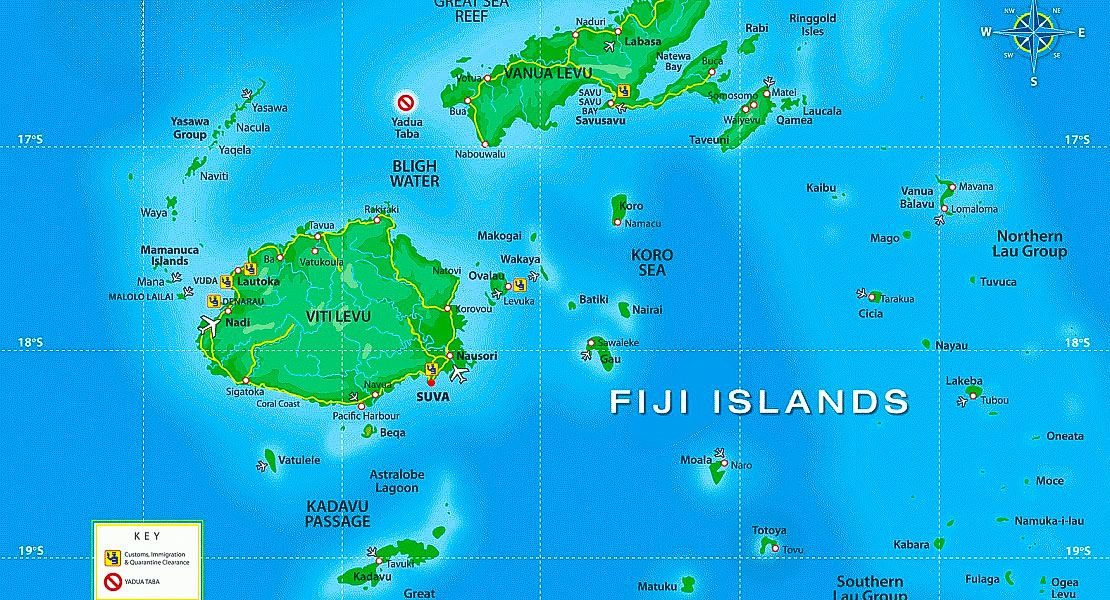
The Yasawa chain stretches northwest from Viti Levu, Fiji’s largest island. Most trips begin from Port Denarau, near Nadi, where a daily high-speed catamaran travels along the island chain and stops at resorts and island jetties. The journey is scenic, but distances matter: the farther north you travel, the more of your day is spent on the water.
A typical route starts with one or two islands in the lower Yasawas, then moves north toward the more remote islands before returning to the mainland. You can also reverse this plan, but starting farther north often means a long first travel day after an international flight.
Ferry passes can be useful when you want to visit several islands on a flexible schedule. However, a pass is not automatically the best value. If you only plan two resort stays, individual transfers or a package may be simpler. Boat schedules, weather, resort arrival times, and luggage limits all deserve attention before you confirm accommodation.
Choose your Yasawa route by trip length
The most common mistake is trying to see the whole chain in a few days. The Yasawas reward slower travel. Aim for at least two nights per island, especially when you are traveling with children or planning snorkeling, diving, village visits, or a cave excursion.
A 4- to 5-night Yasawa escape
With limited time, choose one or two islands rather than hopping every day. Stay in the lower or central Yasawas to keep boat travel manageable. This is a strong option for couples adding an island break after a few nights in Denarau, the Coral Coast, or Nadi.
Choose resorts based on the experience you want. Some are social and activity-focused, while others are quieter and designed for privacy. A beachfront bure may be worth the upgrade if this is a special occasion, but check whether the resort faces the sunrise or sunset side of the island if that matters to you.
A 7-night first-time itinerary
One week gives you enough time for three distinct stays without turning the holiday into a relay race. Consider two nights in the lower Yasawas, two or three nights in the central islands, and two or three nights farther north.
This route lets you combine easy reef snorkeling and paddleboarding with more remote scenery. It also creates room for a weather buffer. If seas are choppy or a transfer is delayed, you will still have time to enjoy each destination rather than losing the only day you had planned there.
A 10- to 14-night island-hopping trip
Two weeks is ideal for travelers who want the Yasawas to be the heart of their Fiji vacation. You can settle into four or five islands, mix boutique resorts with more relaxed island stays, and include signature experiences such as the Sawa-i-Lau Caves, manta ray snorkeling in season, and a Fijian village visit where available.
There is no prize for covering the greatest distance. Some travelers prefer to spend four nights in one excellent location and use day trips for variety. Others enjoy changing islands every two or three nights. It depends on whether you are seeking complete downtime or the feeling of a true island journey.
The experiences worth planning around
The Yasawas have beautiful beaches almost everywhere, but each part of the chain has its own strengths. Planning around one or two priority experiences will make choosing resorts much easier.
Snorkeling is a daily possibility at many properties, often straight from the beach. Reef conditions vary with tide, wind, and season, so a resort’s house reef may be more important than its room category for keen snorkelers. For divers, ask about the dive operator’s schedule, certification requirements, and whether dive sites are reached by a short boat ride or a longer excursion.
The Sawa-i-Lau Caves, in the northern Yasawas, are among Fiji’s best-known natural attractions. They are memorable, but they are not equally convenient from every resort. If visiting is high on your list, stay nearby rather than dedicating most of a day to a return transfer.
Manta ray encounters are another seasonal highlight, generally most reliable from around May through October, though nature never works to a fixed timetable. Resorts near the relevant channels may organize guided trips when mantas are sighted. Be ready for swimming in open water and follow your guide’s instructions on distance and movement.
Cultural experiences can be just as meaningful as time on the water. A village visit, kava ceremony, handicraft demonstration, or Fijian feast offers a welcome connection to the communities that call these islands home. Dress modestly, follow your hosts’ guidance, and remember that village visits are not performances. They are invitations into living communities.
Ferry timing, luggage, and arrival-day strategy
International flights and Yasawa ferry departures do not always line up neatly. If you land later in the day, an overnight near Nadi or Denarau is usually the less stressful choice. It gives you time to recover from the flight, organize essentials, and start the next morning without worrying about a missed boat.
Keep a small day bag with swimwear, sunscreen, medication, a reusable water bottle, and a light cover-up. Your main luggage may be handled separately during transfers, and you may not access it immediately. Soft-sided bags are easier on small boats and resort jetties than large hard-shell cases.
Sea conditions can change, particularly during the wetter months from November through April. Catamarans are generally comfortable, but anyone prone to motion sickness should prepare before boarding. Morning departures are often calmer, though conditions are never guaranteed.
Before booking, check the latest transfer details with each resort. Some stops require a smaller boat connection from the catamaran, and arrivals may be tide-dependent. This is normal island travel, but it is much easier when you know what to expect.
What to budget beyond your room rate
Yasawa resorts often operate on meal plans because there are few independent restaurants nearby. Read what is included carefully. Some rates cover three daily meals, while drinks, specialty dining, activities, dive trips, and boat excursions cost extra.
A lower nightly rate can become less economical once transfers and mandatory meals are added. Conversely, a higher-priced resort may include more activities, equipment, and meals, making it better value for a couple that plans to spend most of the day on property. Families should also verify child meal pricing, room configurations, and whether babysitting or kid-friendly activities are available.
Bring a card for resort charges, but carry some Fijian cash for small purchases, community visits, and gratuities where appropriate. Internet can be limited or slower on remote islands, so download travel documents and entertainment before you leave the mainland.
Who the Yasawas suit best
Couples will find romantic, adults-focused retreats as well as relaxed resorts with plenty of space to be alone. Families can have an exceptional trip, particularly on islands with calm swimming areas, flexible meal times, and accommodation that keeps everyone close together. Solo travelers often enjoy the friendly, communal feel of smaller resorts, though those seeking quiet should look for adults-focused properties.
Travel made accessible for everyone requires more detailed planning in the Yasawas. Uneven paths, sandy access points, small transfer boats, and limited medical facilities can create challenges for travelers with mobility or other access needs. Do not assume that a resort is suitable based on photos alone. Ask specific questions about room access, bathroom design, jetty transfers, staff support, and activity modifications before confirming your stay.
Book with confidence, then leave room for island time
The right Yasawa itinerary is built around realistic transfer times and the experiences you care about most, not a checklist of islands. Local advice is especially valuable when matching ferry schedules, resorts, and tours, because the best route on a map is not always the easiest route in real life. Discover Fiji’s locally vetted team can help travelers compare options with that practical detail in mind.
Leave at least one afternoon unplanned. It may become the time you float over the reef, talk with your hosts, watch the light change over the lagoon, and understand why the Yasawas are best enjoyed at island pace.