Fiji Mainland Versus Islands: Which Stay Fits You?

Fiji Mainland Versus Islands: Which Stay Fits You?
A Fiji vacation can look completely different depending on where you sleep. Stay on Viti Levu, Fiji’s largest island, and your days may include a waterfall walk, a village visit, a river safari, and dinner at your resort without changing hotels. Head offshore, and the pace shifts to reef snorkeling, barefoot beaches, boat rides, and the pleasing reality that there may be nowhere else you need to be.
That is the real choice behind Fiji mainland versus islands. Neither is automatically better. The right fit depends on how long you have, who you are traveling with, how much you want to move around, and whether your ideal holiday means variety or total switch-off time.
Fiji mainland versus islands at a glance
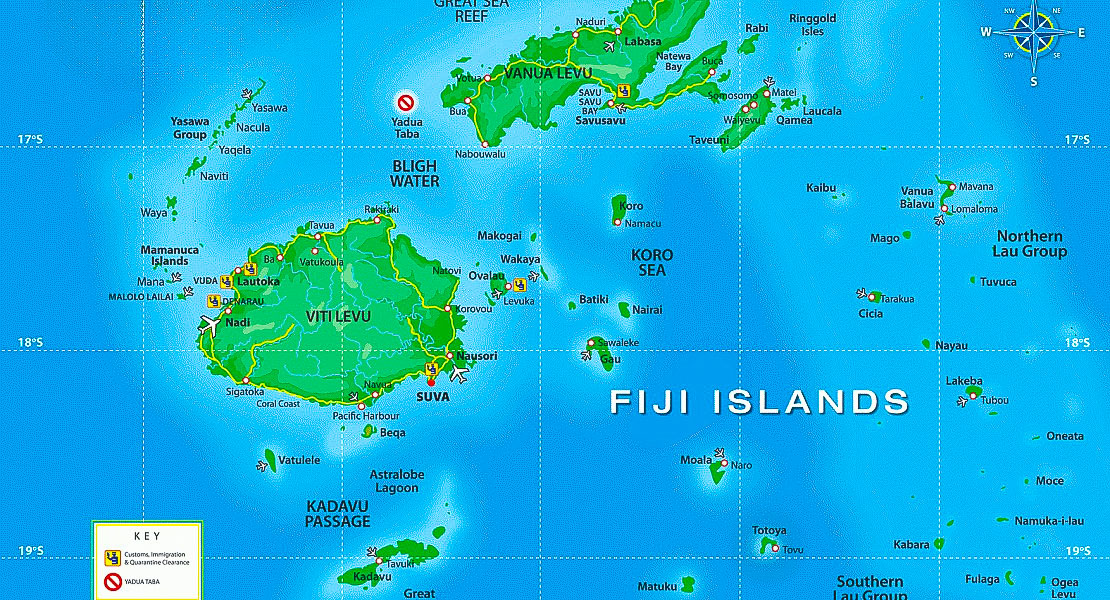
Viti Levu is the practical starting point for many international visitors. Nadi International Airport sits on the western side of the island, close to a wide range of resorts, restaurants, transfers, tours, and car rentals. The Coral Coast, Pacific Harbour, and Suva each offer different reasons to stay longer, from family-friendly beaches and cultural experiences to adventure activities and city life.
The outer islands, especially the Mamanuca and Yasawa groups, deliver the postcard version of Fiji many travelers imagine: smaller resorts, clear lagoons, coral reefs near shore, and a more self-contained holiday rhythm. They are reached by scheduled boat, private launch, seaplane, or helicopter, depending on the island and your budget.
Choose the mainland if you want flexibility, day-tour variety, easier logistics, and the option to explore beyond your resort. Choose an island if the resort, beach, and water are the main event. A split stay is often the best answer for travelers who want both.
Why stay on Fiji’s mainland?
A mainland stay gives you more ways to shape each day. From Nadi and Denarau, you can take a day cruise to the Mamanucas, visit a local market, enjoy a cultural evening, or spend a relaxed afternoon by the pool. You return to the same hotel afterward, without packing, checking boat schedules, or moving luggage across a jetty.
The mainland also works especially well for travelers who want Fiji beyond the shoreline. The Sigatoka Valley offers a greener, more rural side of Viti Levu, while the Coral Coast combines beach resorts with access to inland villages, caves, and waterfalls. Around Pacific Harbour, active travelers can look for rafting, jet boating, river excursions, and other high-energy experiences. Nadi makes a convenient base for families and first-time visitors because airport transfers are short and there is a broad choice of accommodations and activities nearby.
More variety, less dependence on boat schedules
On Viti Levu, you can usually arrange private or shared transfers at a time that suits your flight and itinerary. A rental car can offer freedom for confident drivers, while guided tours take the pressure off unfamiliar roads and planning. This is useful if your group has different interests. One person can book a spa treatment while another goes fishing or visits a waterfall.
There is also more flexibility when weather changes plans. Boat trips can be adjusted or delayed in rough conditions, particularly during the wetter months. Mainland-based travelers often have more land activities to choose from if a cruise is not operating as planned.
Better for short trips and multi-generational groups
If you have four or five nights in Fiji, changing properties may use more holiday time than it saves. A mainland resort near Nadi, Denarau, or the Coral Coast lets you settle in quickly while still giving you access to an island day cruise.
For families with young children, older relatives, or travelers who use mobility equipment, fewer transfers can make a meaningful difference. Island resorts vary considerably in paths, boat boarding, room access, and available support. Fiji can be welcoming and accessible, but it is worth discussing individual needs before booking rather than assuming every property or vessel has the same facilities. Travel made accessible for everyone begins with the right information.
Why choose Fiji’s islands?
The islands excel at immersion. When your resort sits beside a lagoon and the reef is a short swim away, the day naturally slows down. You might start with breakfast overlooking the water, snorkel before lunch, take a paddleboard out in the afternoon, and watch the sunset without seeing a road or a traffic light.
The Mamanucas are generally the easiest island option from the Nadi area, making them a strong choice for couples, families, and travelers with limited time. The Yasawas are farther north and often feel more remote, with dramatic volcanic scenery, long sandy beaches, and a simpler, quieter atmosphere. Island choice matters as much as the decision to go offshore: some resorts are lively and social, while others are designed around privacy, romance, or adults-only relaxation.
The reef and beach can be your whole itinerary
An island stay makes sense when you do not need a packed schedule to feel you have had a great vacation. Many resorts offer snorkeling, kayaking, paddleboarding, sailing, guided reef trips, and cultural activities from their own beachfront. The water is not an add-on. It is where much of the day happens.
This can be excellent value for travelers who will genuinely use included non-motorized activities or plan to spend plenty of time at the resort. It may be less appealing for guests who get restless after a day or two and want independent restaurant choices, shopping, nightlife, or frequent sightseeing excursions.
The trade-off is logistics and cost
Island transfers add time and often add expense. A boat transfer may require waiting at a marina after your flight, while seaplane and helicopter transfers are spectacular but may have luggage limits and set operating windows. Early morning departures from an island can also require careful planning before an international flight.
Food and drink are another consideration. Smaller island resorts may have one main restaurant and meal plans can be required. This is convenient when you want to relax, but it offers less freedom than staying near Nadi or Denarau, where dining options are broader. Check what is included, whether there are choices for dietary needs, and how much flexibility the resort offers before you commit.
Which option suits your travel style?
Couples looking for privacy, swimming, and romantic dinners will often love an island resort, particularly for a honeymoon or anniversary. Couples who want a mix of beach time, markets, culture, and adventurous day trips may prefer the mainland or a split stay.
Families should look beyond the label of “family-friendly.” Ask about kids’ clubs, child meal options, room layouts, swimming conditions, and transfer length. A short boat ride to a Mamanuca island can feel exciting; a longer crossing after an overnight flight may not. Mainland resorts can be easier for families who want familiar conveniences and a greater choice of day activities, while islands can be wonderfully simple once everyone has arrived.
Solo travelers may enjoy a social island resort with shared activities and communal dining, or a mainland base that makes it easy to join different tours each day. Adventure seekers tend to find more land-based variety on Viti Levu, although island diving, surf breaks, and fishing charters can be standout experiences.
Culturally curious visitors should not assume island stays are less authentic, or that mainland tours are automatically more meaningful. Quality matters. A respectful, locally hosted village visit or cultural experience can add depth to either itinerary. Choose experiences that clearly explain what is included, how guests should dress and behave, and how visits support local communities.
The smart compromise: combine both
For trips of seven nights or more, a mainland-and-island combination can offer the best balance. Start on Viti Levu after your flight, enjoy a day or two of sightseeing or pool time, then transfer to an island for the slower part of the trip. Alternatively, begin on an island and finish near Nadi so you are closer to the airport before departure.
Keep the number of moves sensible. Two properties are usually enough for a one-week vacation. With 10 to 14 nights, adding a second island or another region of Viti Levu can work well, provided transfer times do not take over the itinerary.
When comparing options, do not judge a resort only by its room rate. Include airport transfers, boat or air transfers, meals, activities, and the time involved in getting there. A locally vetted itinerary helps remove those surprises, and Discover Fiji can help travelers compare trusted tours, transfers, and day cruises around the stay they choose.
Your best Fiji base is the one that leaves room for the holiday you actually want. Pick the mainland for easy exploration, choose an island for uninterrupted ocean time, or give yourself a few nights of each and let Fiji’s roads, reefs, and warm welcomes do the rest.
All Categories
Recent Posts

Fiji Honeymoons: Plan the Right Island Stay

Accessible Fiji: Plan a Holiday That Works